Bioleaching: The Bacteria Working to Recycle Old Tech
Old and obsolete technology is piling up in landfills all over the world, yet new tech is produced with raw materials sourced from huge quarries in only a few select locations.
Environmentally sustainable approaches to e-waste recycling are helping to supply the massive demand for the resources used to make consumer devices, making products more affordable for you. Recycling can reduce the carbon footprint of all electronics globally, reduce environmental damage, and help to make the world a better place.
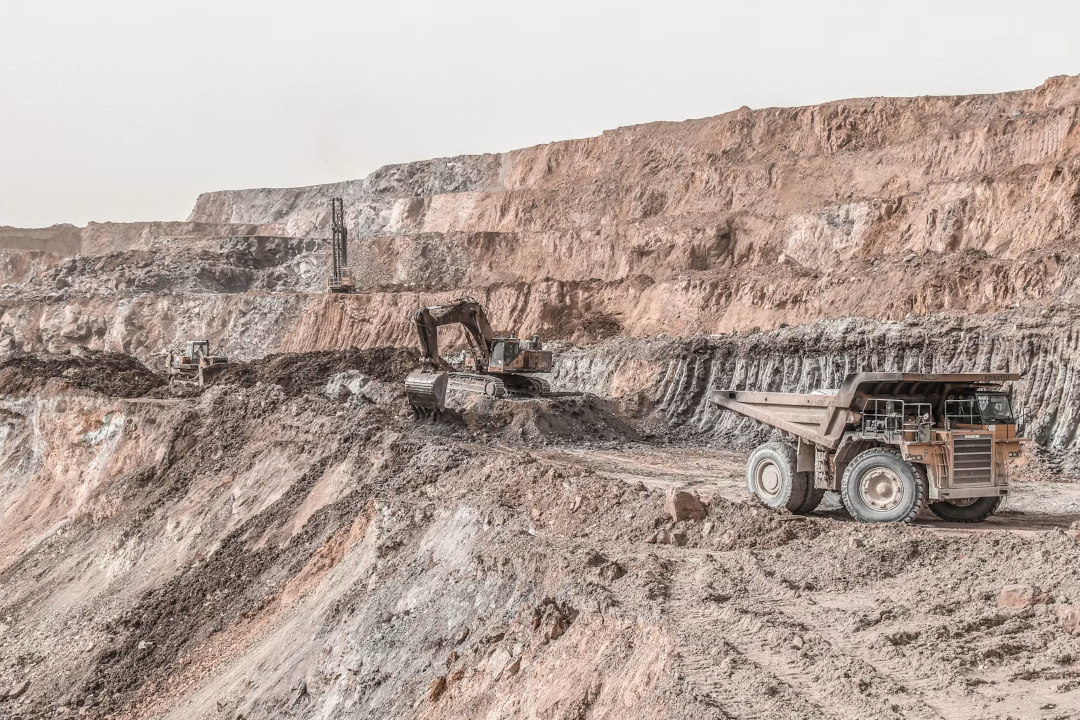
The lifecycle of electronic devices
Metals like cobalt, aluminium and lithium are quarried at huge mining facilities and the raw resources are refined to manufacture components like circuit boards, processors and batteries.
These components are used to manufacture a flashy new device that everyone wants to buy, and after several years a newer, faster device is released, and the old one eventually becomes obsolete.
What is currently happening with e-waste
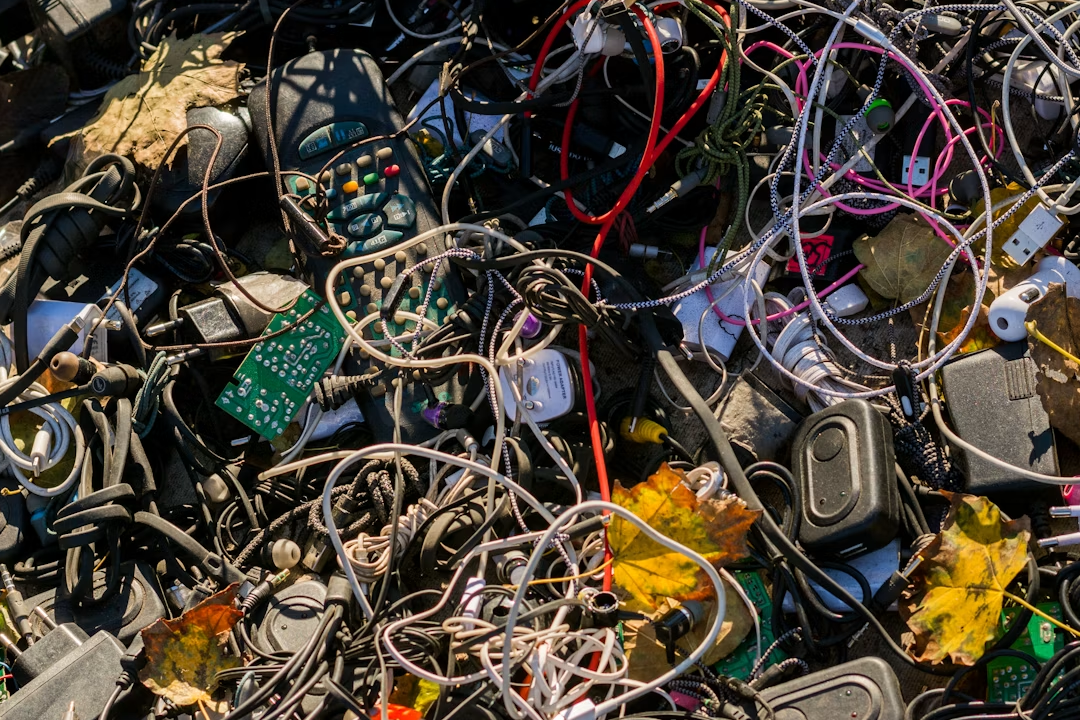
Worldwide, old and discarded electronic devices are piling up, creating huge reserves of valuable resources that slowly leach toxic chemicals into the surrounding soil. And yet we still rely heavily on mining raw materials.
This is largely because traditional methods make low-grade electronic waste difficult to recycle cost-effectively. Traditionally, it’s been far more profitable to mine the raw materials than extract them from old devices.
The current issues with recycling
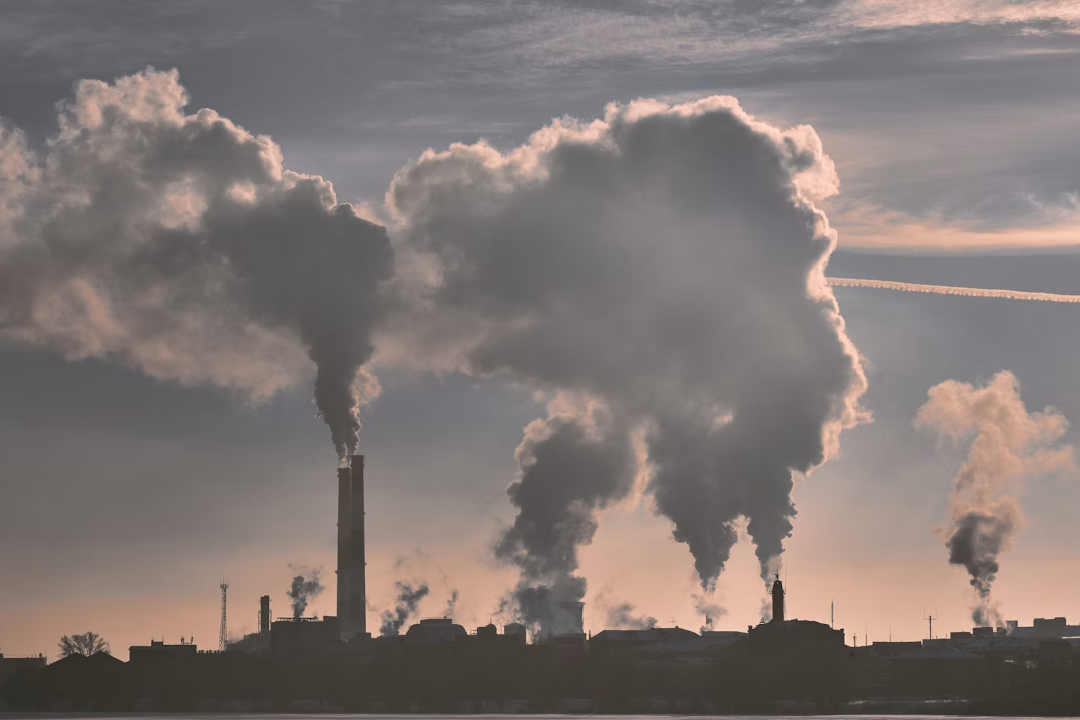
One current method for recycling electronics includes incinerating electronic waste to melt it down into components that can then be separated later.
Whilst this allows for fast bulk processing, one drawback of this process is the high volume of harmful gases produced by the incineration process.
The bacteria revolutionising recycling
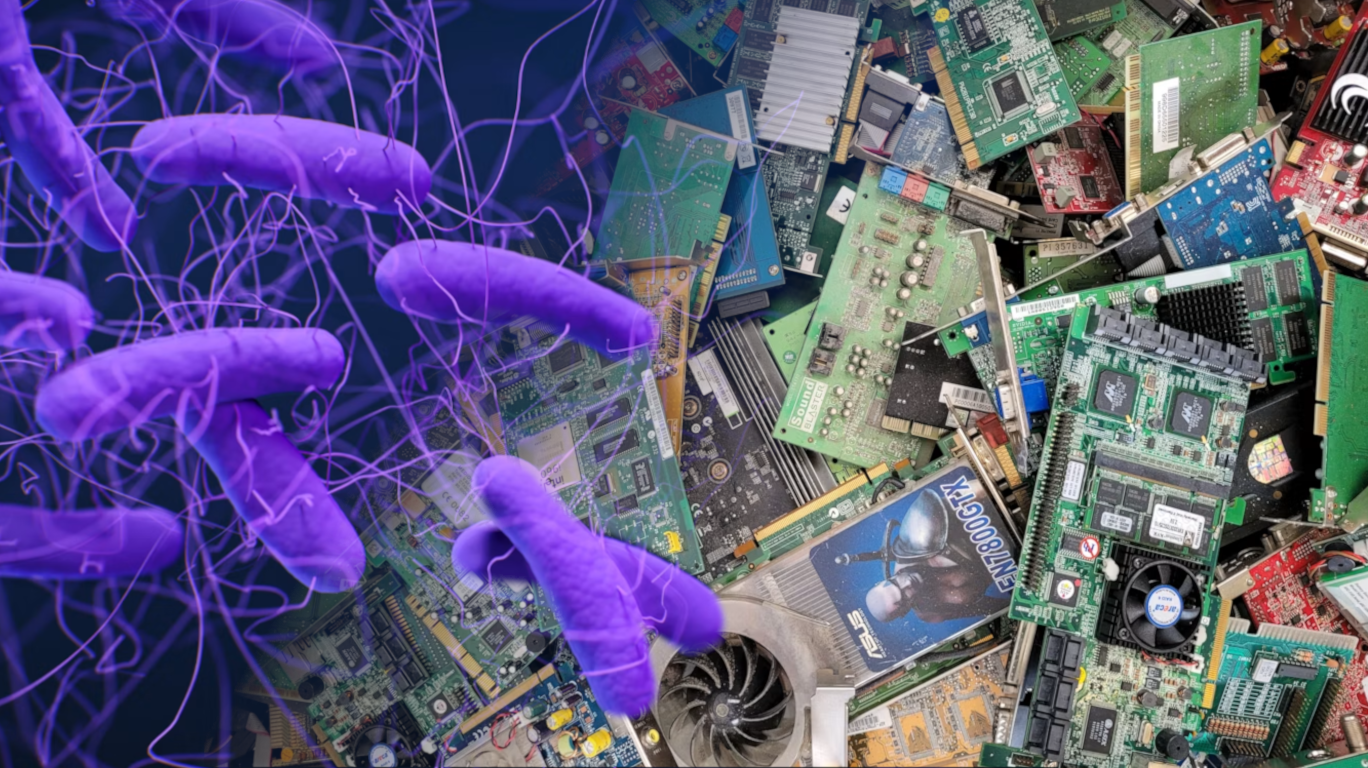
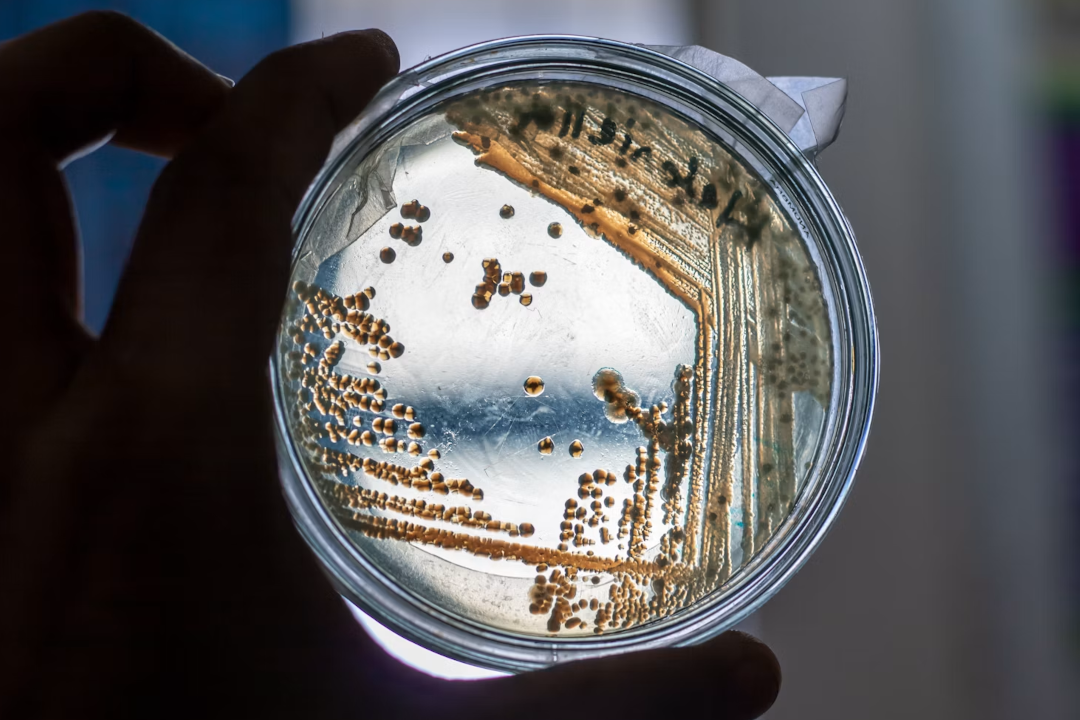
In order to combat these harmful gases, new methods are being developed involving the use of specialised bacteria in a process called “bioleaching.”
This is when microorganisms process electronic waste by producing highly specialised chemicals, like acid, to dissolve and digest very specific components of e-waste.
It takes longer to process waste than past recycling solutions, but it’s incredibly cost effective long-term and has a far smaller carbon footprint and emits no toxic gases in the process.
What the future could mean for you
These advancements in bioleaching are just the start. Only recently have there been attempts to scale up bioleaching methods for bulk-processing in industrial applications.
Who knows what future advancements could bring to this field! As sustainable methods for recycling are iterated upon, the demand for quarrying raw materials is reduced. This, in turn, is helping to create a sustainable and affordable future for electronic devices, which will make technology accessible for everyone.