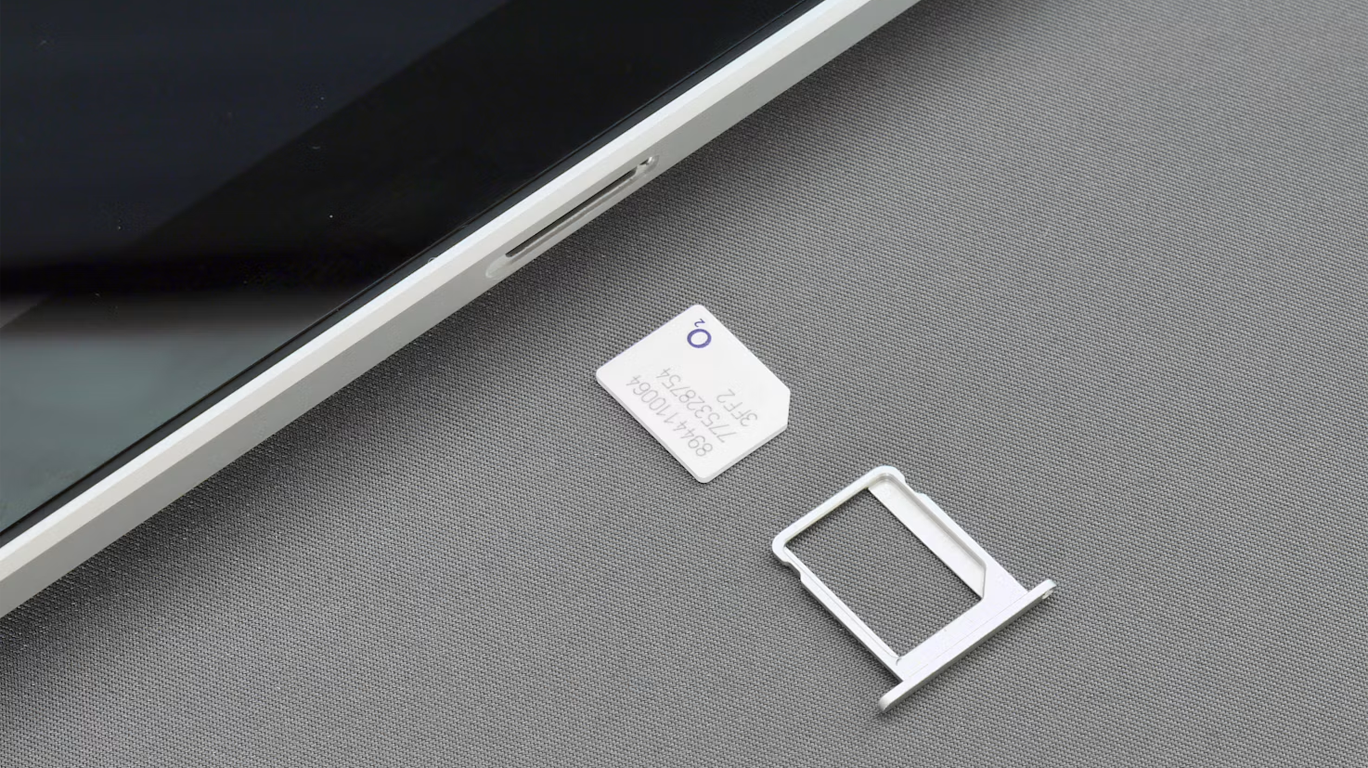
Physical SIM vs eSIM-only Phones: What Else Changes?
Without a physical SIM tray, manufacturers have slightly more flexibility when arranging the components inside a phone. Depending on the model, this may contribute to differences in battery design and playback time. The use of an eSIM can also offer practical and security benefits.
Discover what can change with an eSIM-only device, and what to consider before choosing one.
What is a SIM?
A SIM contains the information needed to identify and authenticate your mobile subscription on a cellular network, enabling your device to make calls, send texts and use mobile data. Physical SIMs and eSIMs perform the same core function but manage this information differently.
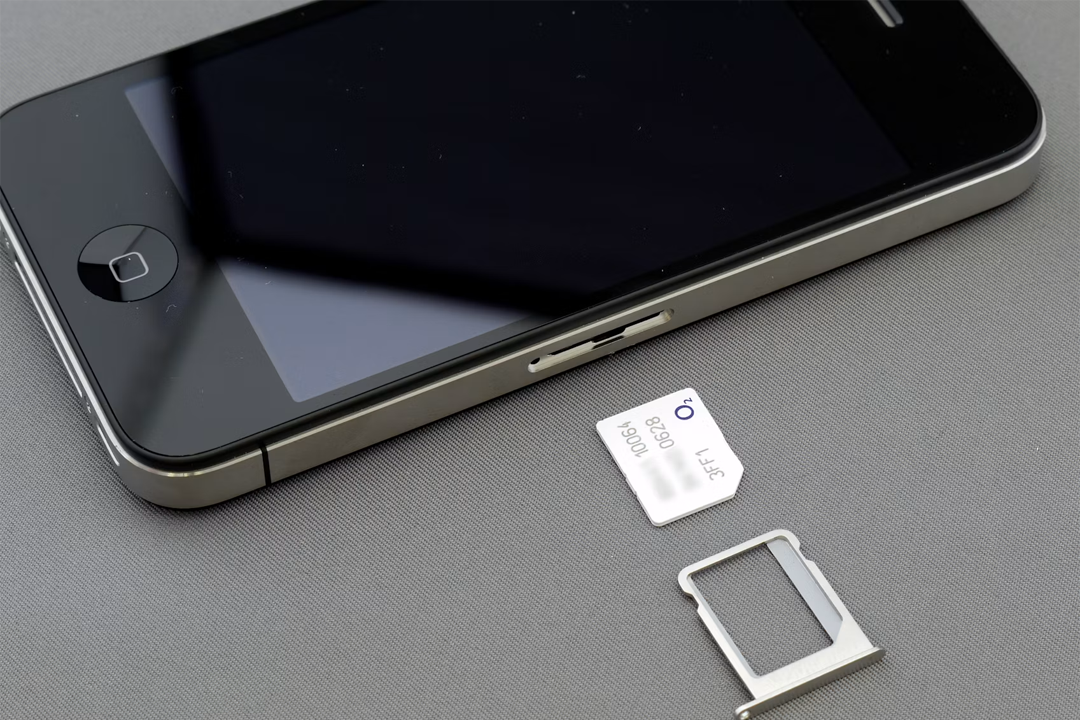
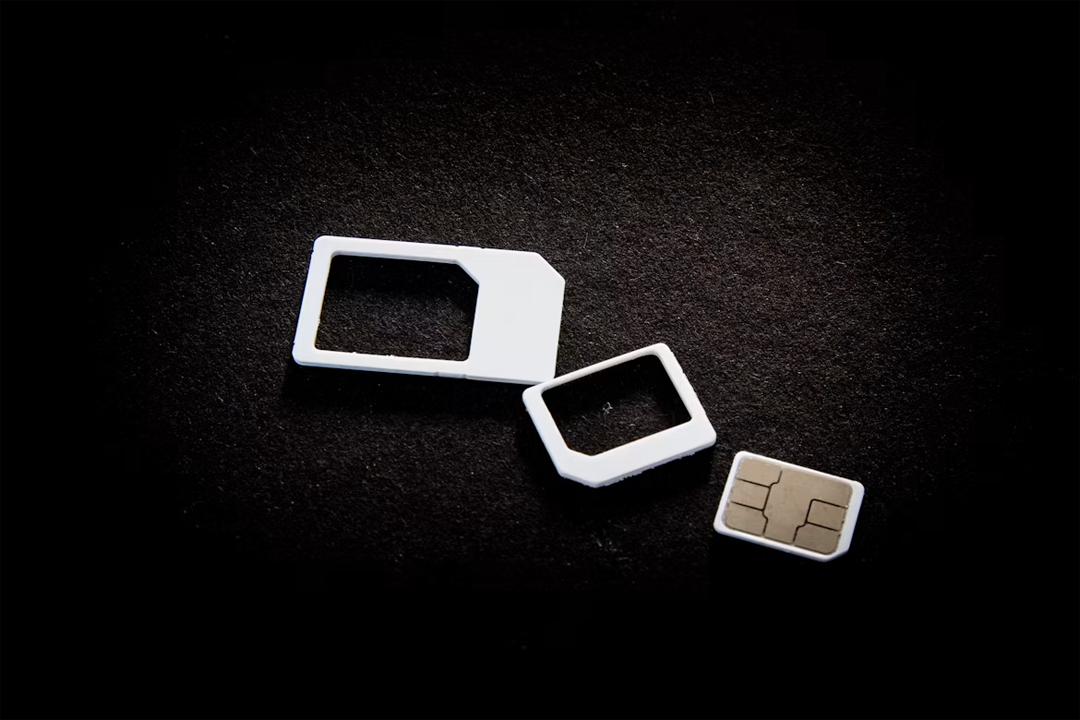
Physical SIMs
A physical SIM is a removable card inserted into a phone’s SIM tray. You can usually transfer your mobile service to another compatible phone by moving the card between devices. However, physical SIMs must be transferred manually and require space for a SIM tray inside the phone.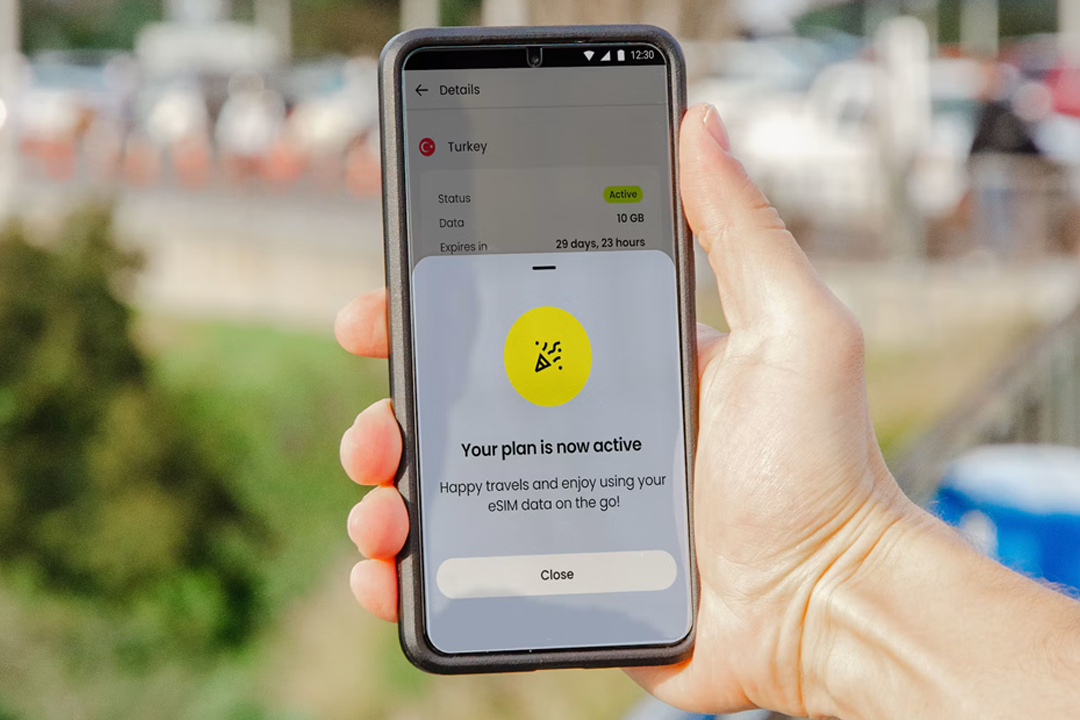
eSIMs
An eSIM is embedded in a compatible device and activated digitally, rather than inserted as a removable card. Activation may involve scanning a QR code, using your network provider’s app, transferring an existing mobile plan, or following the instructions in your device’s settings.Unlike a physical SIM, an eSIM cannot simply be removed and inserted into another phone. Instead, transfer options will vary depending on the devices and network provider.
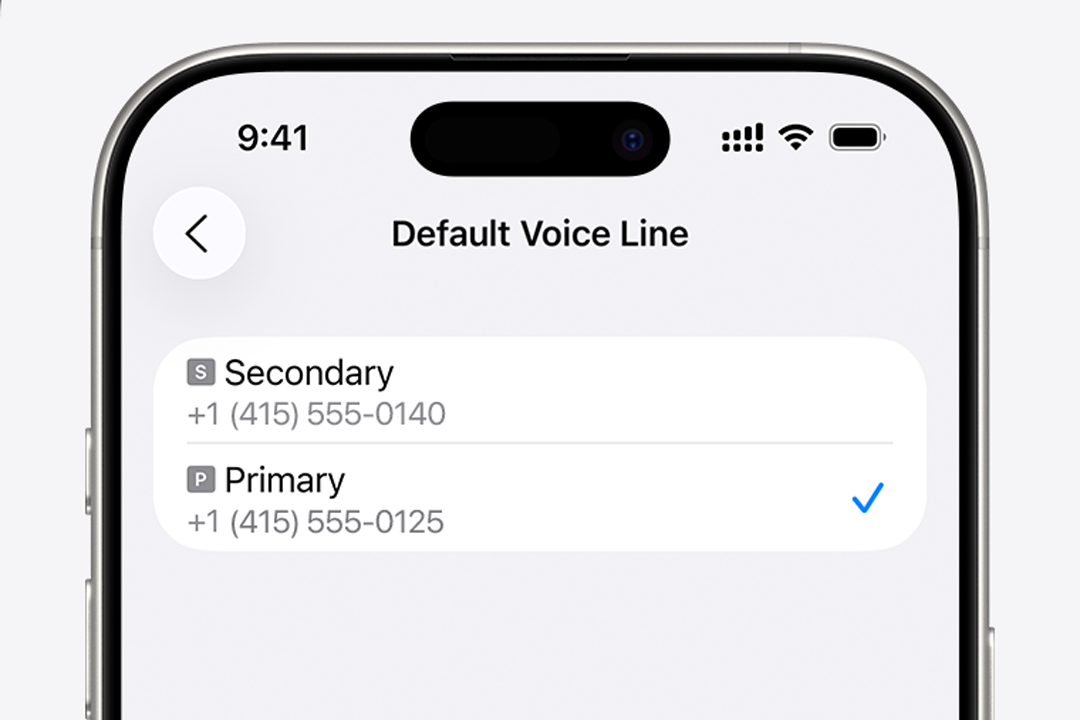
Dual SIM
Dual SIM support allows a phone to use two mobile numbers or plans at the same time. Depending on the device, this may involve two physical SIMs, one physical SIM and one eSIM, or two eSIMs. It can be useful for keeping personal and business numbers on one phone or retaining your usual number while using a separate travel plan abroad.
Image courtesy of apple.com
What is an eSIM-only phone?
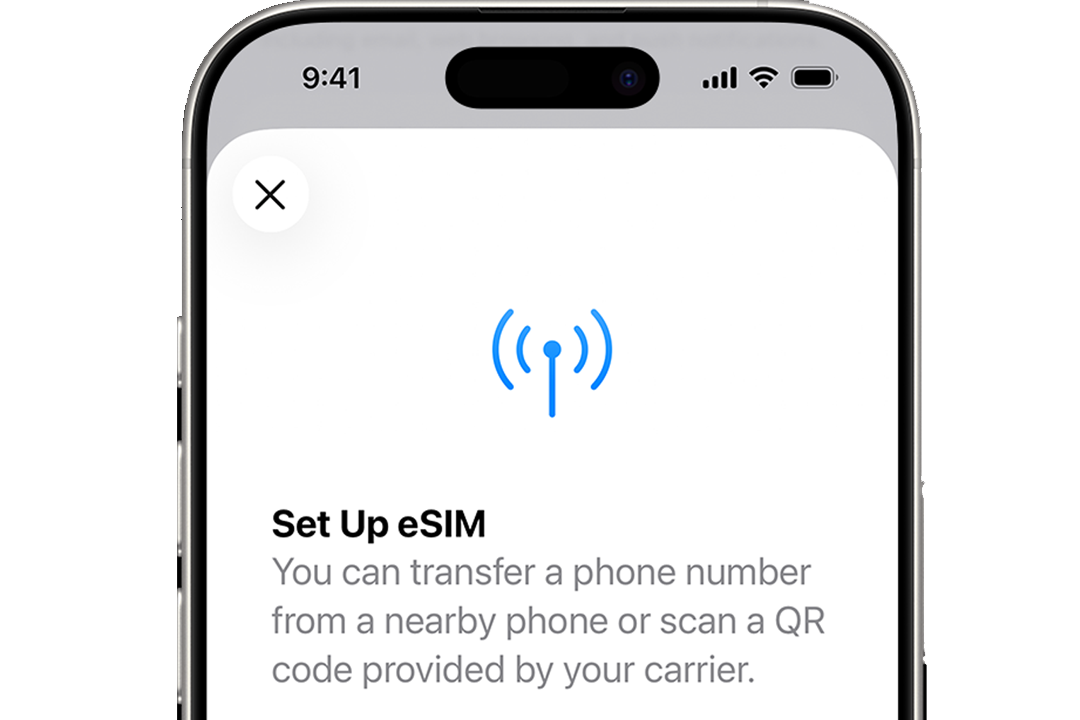
An eSIM-only phone does not include a physical SIM tray, so mobile plans must be activated digitally. By contrast, many phones with a SIM tray support both physical SIMs and eSIMs, allowing users to choose between the two formats.
SIM configurations can vary by model and region. Some phones are available in both physical SIM and eSIM-only variants, while others are released exclusively with eSIM support.
The supported SIM format may not be the only difference. Removing the SIM tray frees a small amount of internal space, giving manufacturers more flexibility when arranging components. How this additional internal space is used varies by model, and the absence of a SIM tray does not automatically result in improved specifications.
Image courtesy of apple.com
How do physical SIM phones and eSIM-only phones differ?
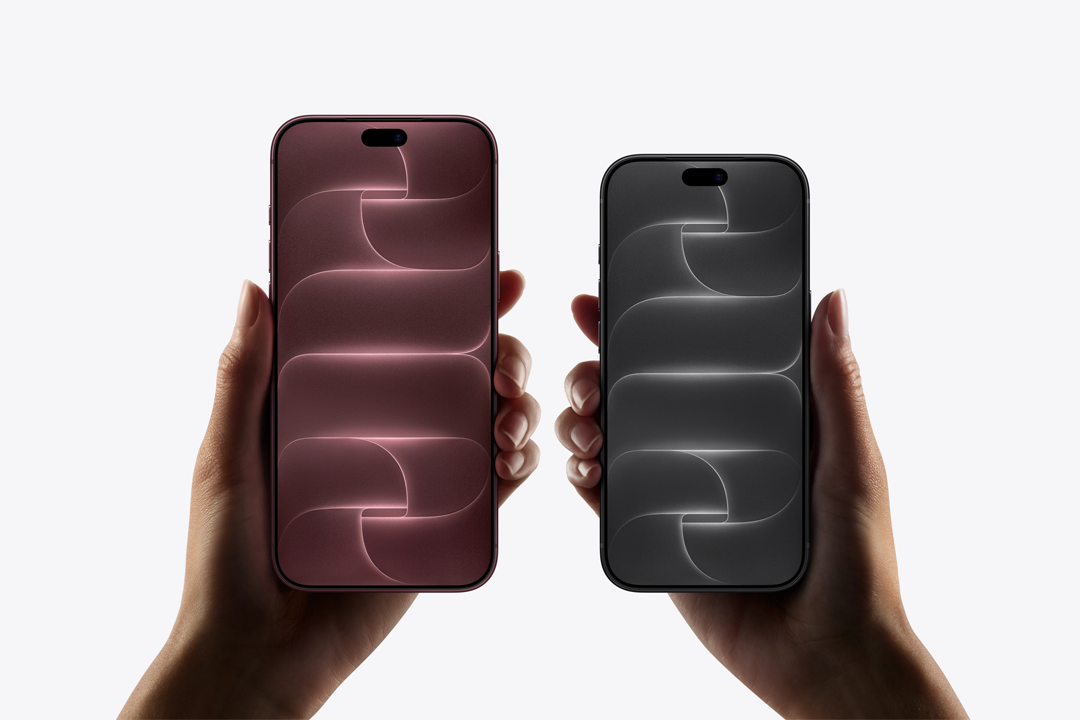
Without a physical SIM tray, manufacturers have slightly more flexibility when arranging a phone’s battery and other internal components. For example, the eSIM-only iPhone Air uses a revised internal architecture to accommodate a high-density battery within its slim body, while the foldable iPhone Duo combines its space-saving design with a dual-battery system.
This flexibility may contribute to longer manufacturer-rated playback times on some eSIM-only models. However, eSIM technology itself is not more energy efficient. Any improvement depends on the complete phone design, including battery capacity, display, processor, cooling and software.
Image courtesy of apple.com

Manufacturer-rated video playback times can differ between versions of the same phone. In some cases, an eSIM-only model may offer longer playback than a version with a physical SIM tray.
One example is the iPhone 18 Pro range. Models with a physical nano-SIM tray offer up to 34 hours of video playback for the iPhone 18 Pro and 43 hours for the iPhone 18 Pro Max. Their eSIM-only versions sold in the US increase these ratings to 36 and 45 hours, respectively.
These figures are measured under controlled conditions. Actual battery life will also depend on factors such as screen brightness, connectivity, background activity and the apps or services being used.
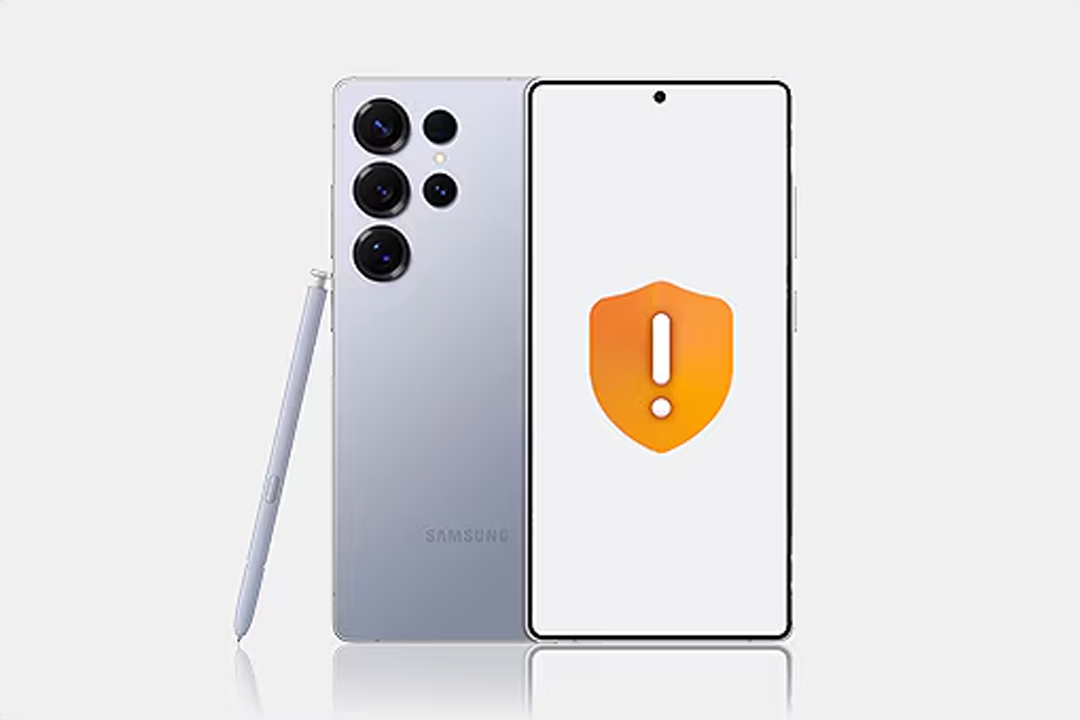
An eSIM can offer some security advantages over a removable SIM card. Because an eSIM cannot be physically removed from the phone, it is more difficult for someone to transfer it to another device if the phone is lost or stolen.
In contrast, someone who obtains a phone with a physical SIM may be able to insert the SIM card into another phone, potentially exposing calls, text messages and SMS verification codes linked to the mobile number.
Keep in mind that an eSIM does not protect against every threat. You should still secure your phone with a strong passcode and, where available, biometric authentication. Your mobile network account should also have a unique password and a separate account PIN where supported.
Image courtesy of samsung.com
Final thoughts
The inclusion of a physical SIM tray can indicate more than how a phone connects to a mobile network. An eSIM-only design may also be accompanied by differences in internal layout, battery configuration or manufacturer-rated playback times. These are not inherent benefits of eSIM technology, so it is important to compare the complete specifications of each model.
Physical SIMs may remain more practical for people who frequently transfer their service between phones, while eSIMs offer digital activation and cannot be physically removed from a lost or stolen device. Before buying an eSIM-only phone, check whether it is compatible with your network provider, how activation and transfers work, and what hardware specifications it offers.
Ultimately, the best choice depends on how you prefer to manage your mobile service.