The Biggest Tech News of 2026 So Far
The first quarter of 2026 has set an exciting pace for the year in tech, marked by major product launches, bold concept reveals, and industry-defining conversations. From Apple and Samsung unveiling the next generation of consumer devices to globally recognised events like CES spotlighting emerging priorities, the start of 2026 was packed with innovation.

Announcements
The first few months of 2026 brought a wave of major product unveilings, with leading tech companies wasting no time in setting the tone for the year ahead. Apple and Samsung both kicked off the first quarter with ambitious releases.
Apple
In March 2026, Apple revealed a range of highly anticipated announcements. The March 2026 announcements extended across the Apple ecosystem, from the Studio Display XDR to the AirPods Max 2.
iPhone 17e
The iPhone 17e offers a more affordable price point for those keen to experience the iPhone 17 family, powered by an A19 chip similar to the one used for the iPhone 17. It’s also the first ‘e’ model to support MagSafe, enabling magnetic charging with a range of compatible accessories.
MacBook Neo
The MacBook Neo reveal marked an iconic moment for Apple, emphasising their strides towards offering more accessible tech with a starting price of just £599. It’s the first-ever MacBook with an iPhone chip, powered by the same A18 Pro chip used for the iPhone 16 Pro and Pro Max.
MacBook Pro
The upgraded MacBook Pro raised the bar with serious performance gains from the M5, M5 Pro, and M5 Max chip options. With Apple’s Fusion Architecture, it delivers 4x faster AI performance than the previous generation, and is ready to be utilised anywhere, with up to 24 hours of battery life.
Apple’s March 2026 releases symbolise an era in which entry-level devices are more accessible than ever, whilst flagship devices deliver even more power. As Apple’s devices continue to evolve, we’re witnessing an exciting potential trend of chips being used more interchangeably across the entire Apple ecosystem.
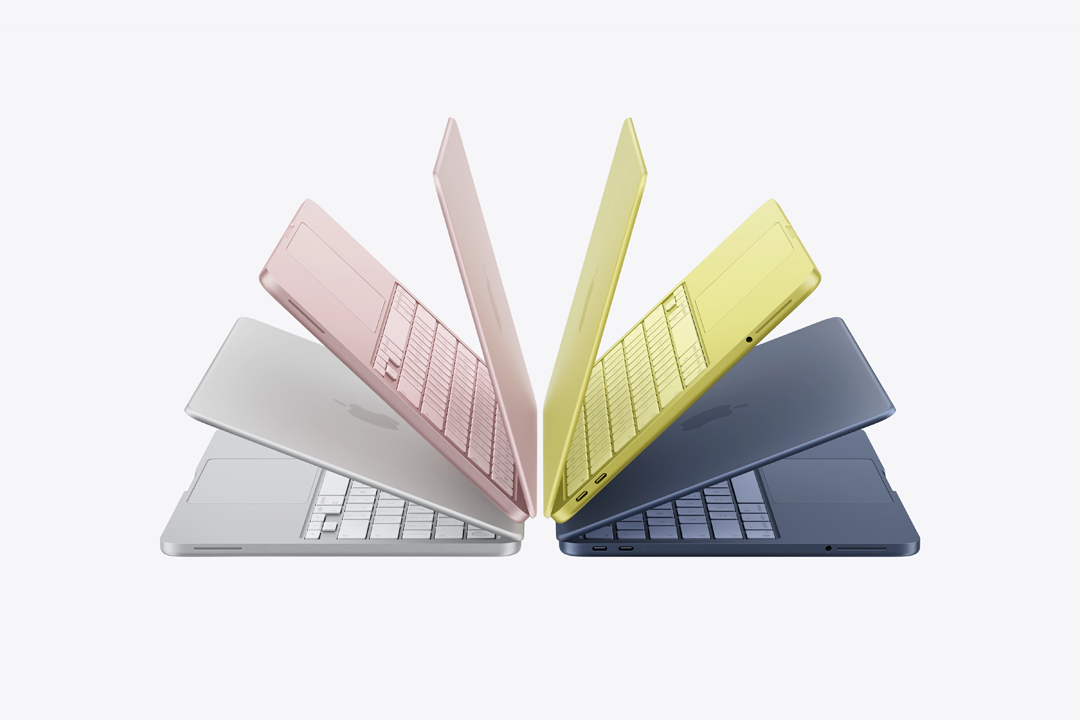
MacBook Neo courtesy of apple.com
Samsung
Galaxy Unpacked 2026 took place in San Francisco on February 25th. The event was live-streamed, so anyone could tune in to watch the latest Samsung Galaxy devices be unveiled.
Galaxy Book 6 series
Galaxy Unpacked 2026 introduced the Galaxy Book 6 series, which pioneers the next generation of laptops with high-end performance and convenient portability. The series offers a range of powerful graphics cards and processor options, including the Nvidia RTX 5070/5060, as well as the Intel NPU for seamless Galaxy AI integration.
Galaxy AI
Another key reveal at Galaxy Unpacked was the latest Galaxy AI features, including the Creative Studio. Creative Studio provides a seamless generative AI experience, creating stunning imagery at your request that can be used across wallpapers, stickers or even invitations.
Galaxy S26 series
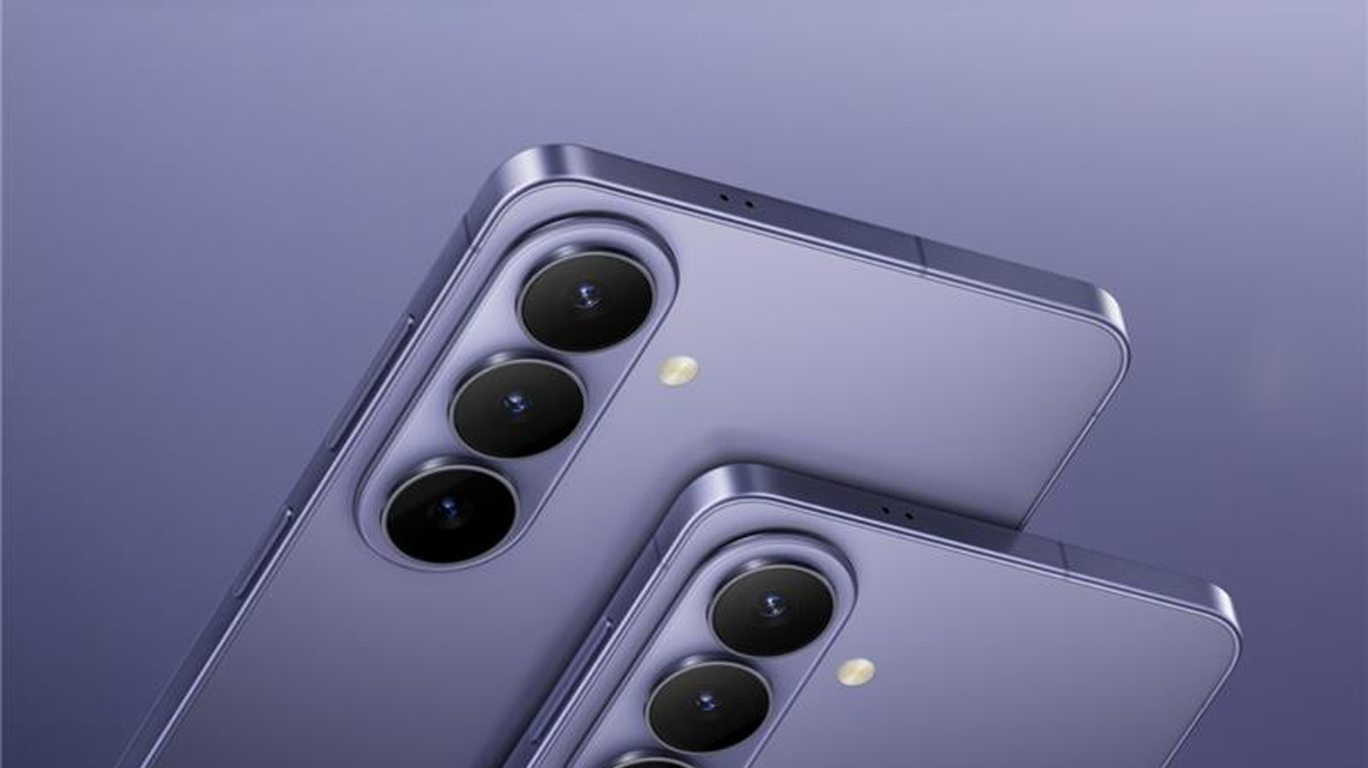
For many, the highlight of Galaxy Unpacked 2026 was the unveiling of the Galaxy S26 series, with the Galaxy S26 Ultra taking the spotlight. The Galaxy S26 Ultra introduces Privacy Display technology: a built-in privacy display that conceals the screen from side views whilst remaining visible to the user. It can be easily toggled and can even automatically obscure notifications and specific apps.
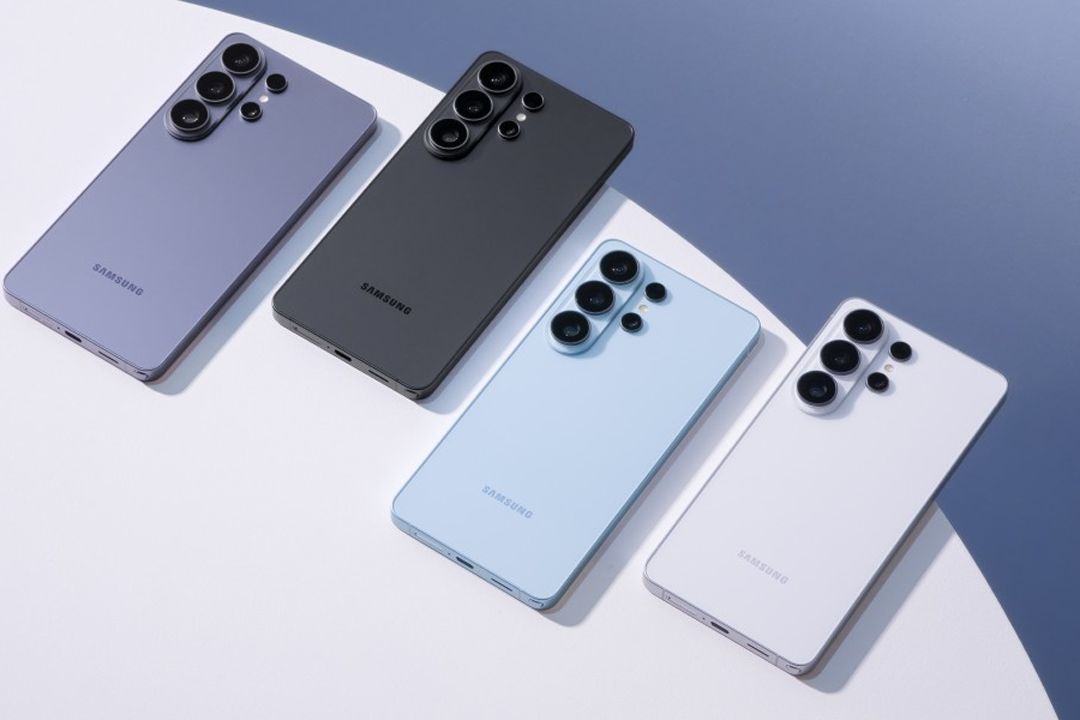
Galaxy S26 courtesy of samsung.com
Events and conferences
The first quarter of 2026 was shaped by a series of influential global tech events that set the stage for the year ahead. From the innovation‑packed halls of CES in Las Vegas to the milestone 20th anniversary of MWC in Barcelona, these gatherings brought together industry leaders, bold concepts, and forward‑thinking ideas.
CES 2026
 The Consumer Electronics Show (CES) 2026 took place from January 6th to 9th in Las Vegas, hosting a diverse range of tech giants, startups, and innovators from across the world to unveil cutting-edge products that promise to transform our lives. CES 2026 saw different sectors unveil a range of exciting new tech, from the game-changing LEGO Smart Brick announcement to LG’s demonstration of CLOiD, a home robot. But as the conference progressed, one key theme emerged: technology for health.
Health tech took the spotlight when Withings announced the Body Scan 2: a ‘science-backed longevity station’ that uses AI and over 60 biomarkers to provide valuable real-time insights to improve personal health and detect underlying issues early. Meanwhile, on the show floor, Tombot introduced their robotic dog designed to support people with dementia. Both devices offered an encouraging glimpse into the future of healthcare and how technology can support it.
Image courtesy of ces.tech
MWC 2026
The Mobile World Congress celebrated its 20th anniversary with MWC 2026. Held in Barcelona from the 2nd to the 5th of March, MWC 2026 brought together industry leaders pushing the boundaries of what mobile technology can mean in our lives. The event offered a range of tech reveals—from concept products that gave an exciting glimpse into the future of tech to new, legitimate unveilings that showed just how advanced the present has become.
Lenovo led the way for concept demonstrations at MWC 2026. They pitched the Legion Go Fold, a concept handheld device with a flexible display that can unfold to an impressive 11.6 inches, fold in half to 7.7 inches, or even switch to laptop mode. They also demonstrated the Modular AI PC, a concept laptop model with two displays, a detachable keyboard, and swappable ports. Whilst these devices aren’t available for customers, they provide an insight into how the future of gaming could prioritise user-friendly flexibility.
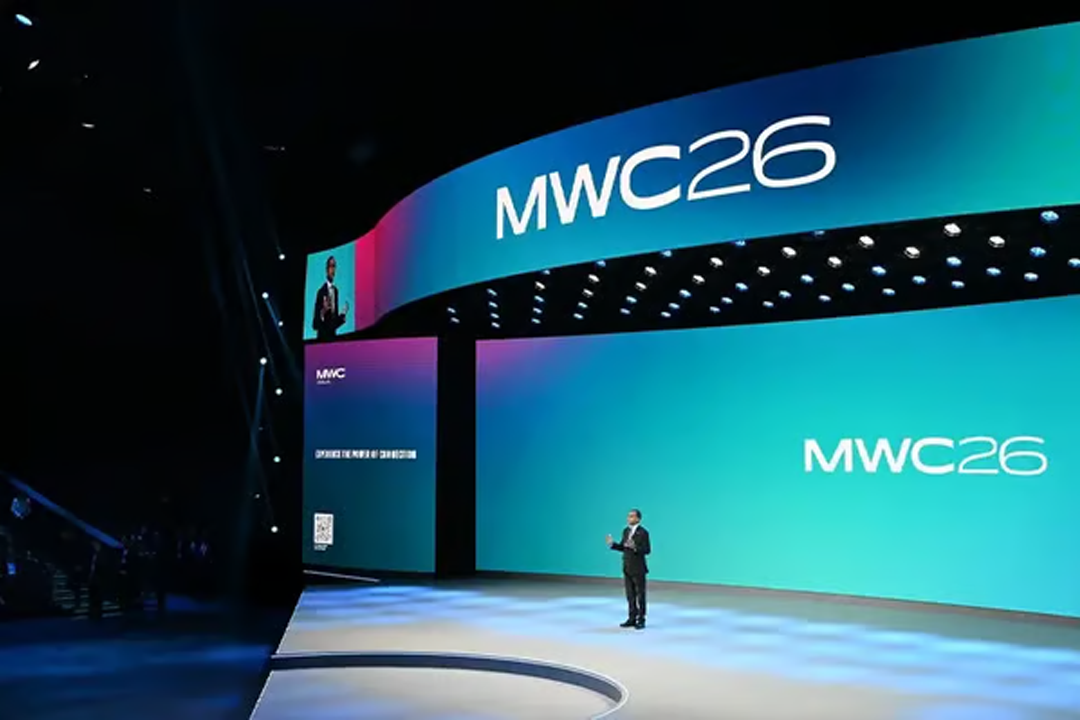
Image courtesy of mwcbarcelona.com
Trends
Early 2026 saw a clear set of trends emerging across the tech landscape, reflecting the industry’s embrace of a more thoughtful approach to technology. These trends offer a glimpse of how the next generation of tech will adapt to serve a broader, more diverse world.
Compassionate AI
In the early years of AI development, creating more intelligent and powerful models was considered the main goal. But early 2026 marked a significant shift in the conversation around AI, with the tech industry increasingly prioritising the development of compassionate AI. At CES 2026, AMD promised “AI Everywhere, for Everyone”, whilst LG explored the idea of “Affectionate Intelligence”.
This shift towards more human-centric AI has already begun, with health organisations worldwide researching how AI can be used in healthcare, from drug development to robot-assisted surgery. Ultimately, the rise of compassionate AI signals a future in which AI success is measured by its human impact—pushing the industry toward more considerate, people-focused innovation.

Accessibility
At Axe‑con 2026, speakers highlighted a clear industry shift: accessibility is becoming a core design principle rather than an afterthought. More companies are intentionally building inclusive features directly into their devices, resulting in smoother, more adaptable tech experiences for all users — not just those who rely on them.
This trend points toward a future where accessibility is the standard. We can expect more intuitive devices and innovation driven by broader, more inclusive thinking. Ultimately, embedding accessibility from the start is shaping tech that’s more equitable, user‑friendly, and prepared for a diverse world.

Affordability
An increased commitment towards affordability is another way tech is becoming more accessible for everyone. The March 2026 Apple releases highlight this shift, with the budget‑friendly MacBook Neo and iPhone 17e showing that even major tech giants are prioritising cost‑effective choices. By offering capable devices at lower price points, companies are widening access to essential digital tools for students, families, and everyday users.
This trend signals a future where quality tech isn’t limited to premium budgets. Looking ahead, it’s likely there will be more competitive pricing across the industry, a broader range of affordable versions of flagship products, and greater emphasis on long‑term value. Ultimately, lowering costs helps close the digital divide—ensuring more people can participate fully in work, education, communication, and creativity.

The future of tech
In the first months of 2026, technology entered an era driven by purpose as much as power and performance. Leading companies broadened their ecosystems with more budget-friendly hardware, embedded AI more deeply, and made accessibility a fundamental design priority rather than a secondary feature. These innovations provide an insightful preview into the future of technology, with an inspiring drive towards human-centred compassion.