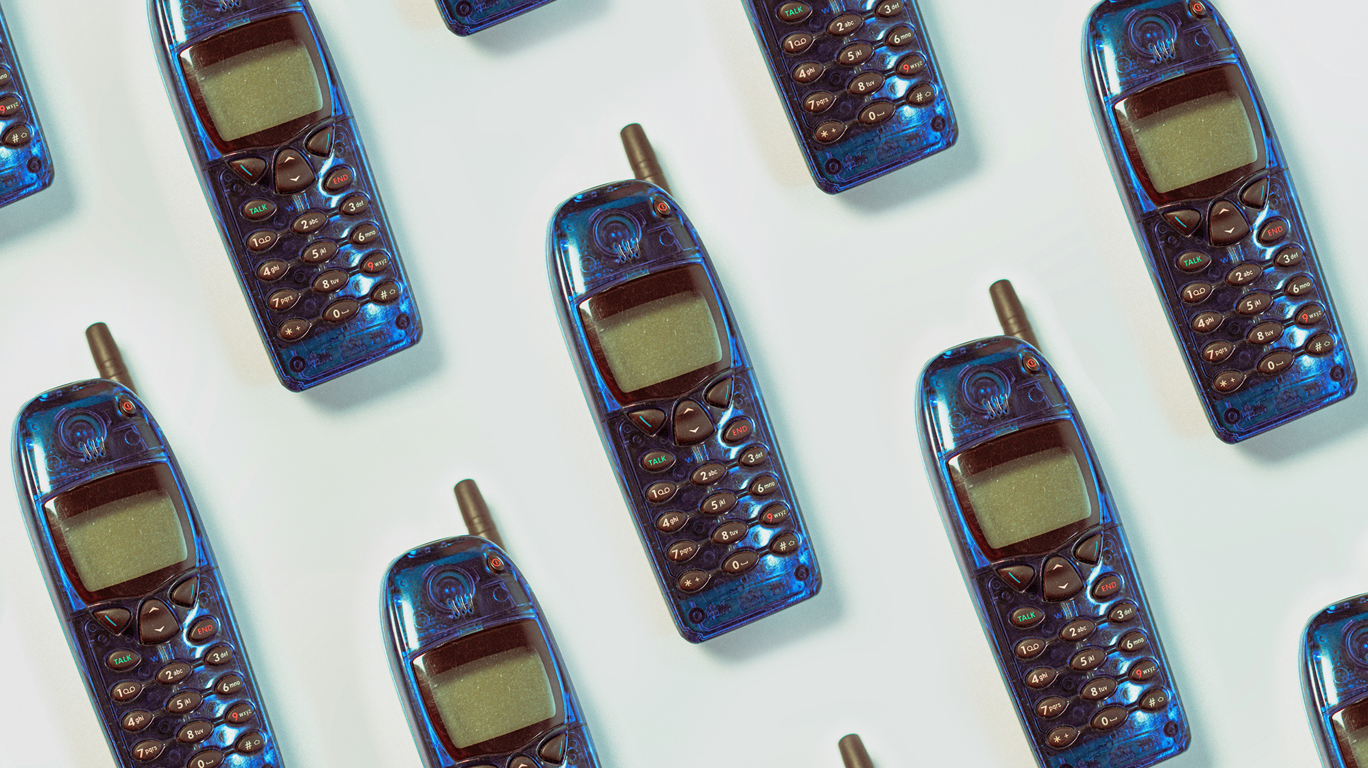
Dumbphones: The Anti-Smartphone Trend for Digital Detoxing
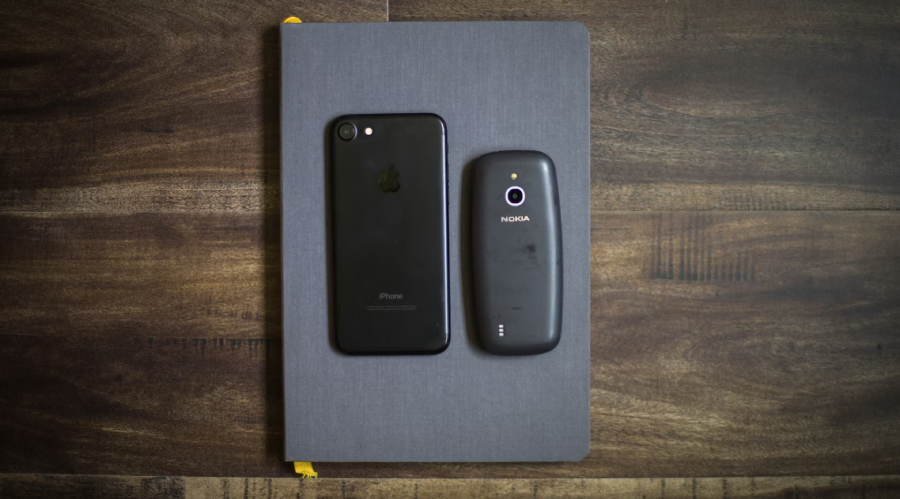
In our fast-paced world where technology is constantly evolving to be bigger and better, a revolution is unfolding: people are intentionally choosing dumbphones. These basic mobile phones are designed for calls and texts only as a way to reconnect with the present moment.
Far from rejecting technology, this trend is about embracing digital minimalism, prioritising personal connection over scrolling, and making room for what truly matters. Let’s go over what dumbphones are and how you could benefit from reconsidering your smartphone usage.
What is a dumbphone?
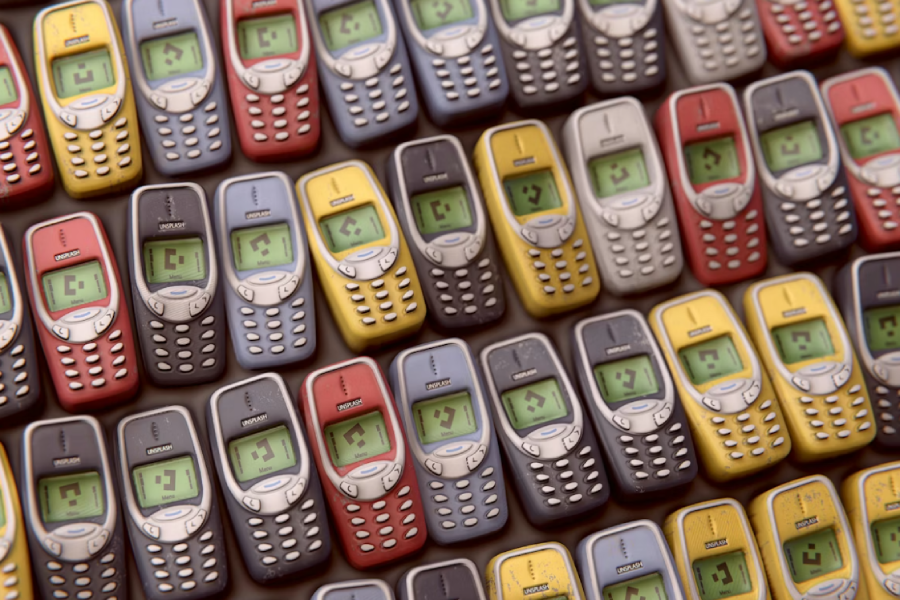
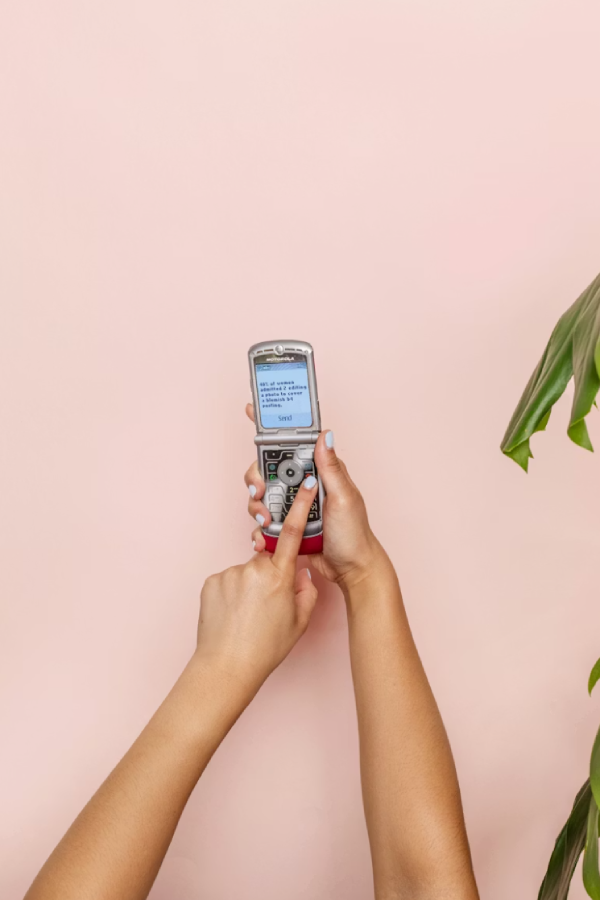
A dumbphone is a mobile device stripped down to essential features—primarily voice calls and text messaging.
Some modern models include simple tools like an alarm, calculator, or basic music playback, but the most important aspect is that they lack social media apps, push notifications, and browsers.
The shift toward digital detoxing
Combatting digital burnout
With screen time soaring, many feel digitally overwhelmed. There are so many apps to choose from and so much information accessible at our fingertips that we’ve often exhausted our brains before midday.
Dumbphones help dial down the noise, reducing constant notifications and endless scrolling that erode focus and well-being.
Heightened privacy
Without apps, tracking mechanisms, or excessive data collection, dumbphones offer a more private and conservative communication channel—something increasingly valued in today’s privacy-conscious age.
Empowering mental and emotional health
Studies link excessive screen time to increased stress and anxiety, disrupted sleep, comparison-driven self-esteem issues, and even a change in brain chemistry. Conversely, it seems that the more we consume at such a rapid pace, the less we can concentrate, both in terms of the length of time and the depth at which we understand the topic.
Users switching to dumbphones often report better rest, richer in-person conversations, and greater mental clarity. By giving our brains a break, we have a heightened capacity for decision-making and focus.
A rise in digital minimalism
Inspired by principles of living intentionally, more people are conducting app audits, batching email checks, or setting “tech sabbaths.” This is all in an effort to take back a state of being that is slowly being lost—boredom.
Only in recent years have academics and scientists begun to analyse the true value of being bored in today’s technological world. When any quiet moment in our day can be filled with social media scrolling, ads, and notifications, it’s all too easy to not take a mental break from it all.
Dumbphones mirror the minimalism philosophy—by design. Now, it’s not about willpower; you’re fully equipped with such a simple device that scrolling and consuming content online is physically impossible.
Advantages of dumbphones
Simple menus and layouts: if you find yourself getting lost trying to find your favourite apps or change the settings of your smartphone, a dumbphone might be the solution. Some dumbphones with touchscreens feature simple text menus, while more nostalgic models have easy-to-use grids and push buttons.
No distracting apps: without access to app stores, dumbphones are completely cut off from distracting social media and addictive games (except for pre-installed classics like Snake).
Less expensive than smartphones: without high-end screens, expensive cameras and intensive hardware, dumbphones can be purchased for a fraction of the price of a new smartphone.
Can be used for two-factor authentication: if you use two-factor authentication to secure your email address or other profiles, you can set the security code to be sent directly to your phone number instead of an authenticator app. This means that you won’t have to sacrifice the security of your important information to remove yourself from the digital world.
Disadvantages of dumbphones
Some apps may be necessary: let’s face it – smartphones may be distracting, but they are also very useful. If your smartphone is your one-stop shop for banking, emails, music, payment, and every other aspect of your life, cutting it off entirely might not be the best idea. Although some dumbphones let you access essentials like WhatsApp and Spotify, others may not, leaving you missing important updates or having to carry extra items to replace lost functions.
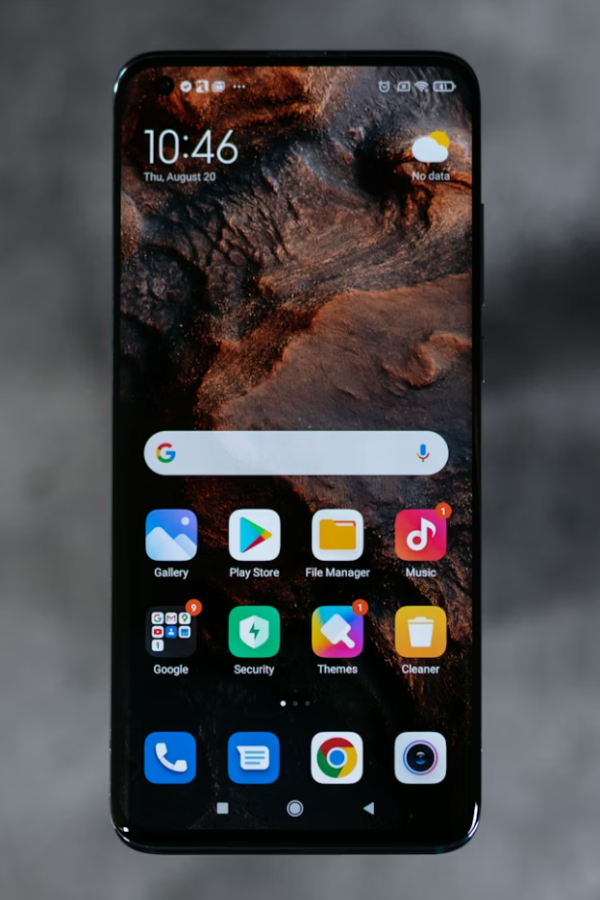
Limited features: beyond apps, dumbphones also lack the other features that make smartphones smart. Switching to a dumbphone means saying goodbye to Alexa and Siri, organisation tools, maps, reminders and AI features.
Lower quality cameras: although many dumbphones have cameras, these are not the same quality as those you would find on a smartphone. If taking pictures is important to you, and carrying a separate camera is not an option, you might want to reconsider.
Reduced connectivity: the back-to-basics approach of the dumbphone means that many connectivity features are out of the picture. You won’t be able to listen to music on Bluetooth speakers, control and monitor smart home devices or stream videos to a TV.
Make your smartphone… dumb
If you find yourself distracted by apps and social media, but still need a smartphone to access important services, you might be better off using an app to help you focus or activating the Focus settings. Whether you choose to have a complete digital detox or just want a break from scrolling and notifications, there are options to suit you.
Download an app
There are a number of apps available that transform your smartphone into a dumbphone. Many will also allow you to choose which apps you want to keep access to, meaning that you won’t be cut off from important things like banking, payment and messaging.
To find the right app for you, search your phone’s app store for terms like “focus,” “productivity,” and “minimalism.” Check the app’s description and reviews to choose the right one for you.
Use your smartphone’s settings
Samsung and Apple phones feature robust settings to help you fit your phone to your lifestyle. This includes Focus mode on Samsung and Focus on Apple, both of which act as a switch that disables chosen apps and features.
Using these features gives you a distraction-free phone experience without needing to buy a new device.
To access Focus mode on a Samsung phone:
Step 1. Go to Settings.
Step 2. Tap Digital Wellbeing & parental controls.
Step 3. Tap Focus mode.
Here, you can set apps to be affected by Focus mode, switch it on manually or create schedules to turn it on and off automatically.
To set up a Focus on an iPhone:
Step 1. Go to Settings.
Step 2. Tap Focus.
Here, you can set up and customise your iPhone’s Focus, with modes including Do Not Disturb, Personal, Sleep, and Work. You can choose options to include or exclude apps, adjust the lock screen’s behaviour, or select which notifications and calls can be blocked.
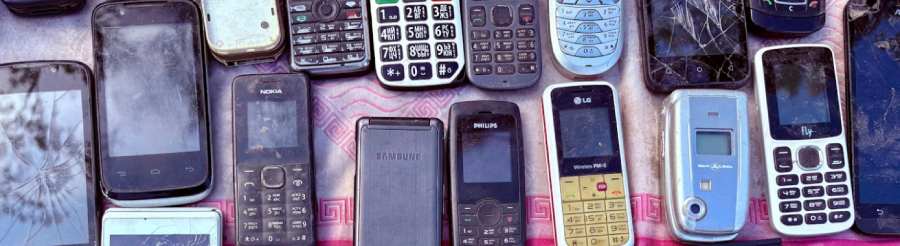
By choosing a dumbphone, you’re not turning away from technology—you’re choosing it with consciousness. In embracing simplicity, you open space for focus, connection, and a more vibrant engagement with life. It’s a hopeful, empowering step toward designing a digital life that truly serves you.