The Evolution of the AirTag: What Apple Has Learned
Apple AirTag
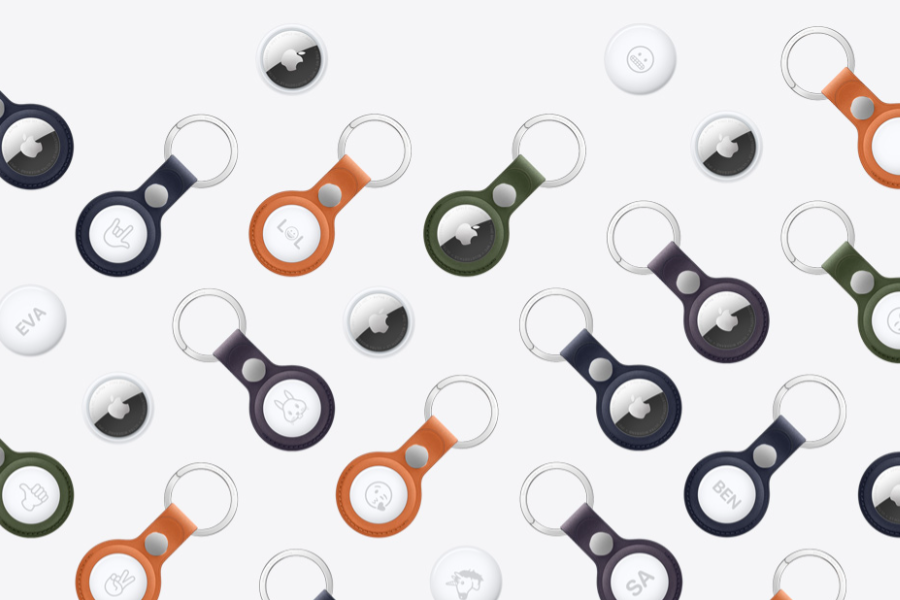
When Apple introduced the AirTag in 2021, it entered a crowded Bluetooth‑tracker market. But what Apple brought to the table was a focus on privacy, and a simple, disc-shaped design meant to blend into everyday life. Over the following years, the AirTag became one of Apple’s most widely adopted accessories, used to track everything from keys and backpacks to luggage and bicycles.
With the launch of the second-generation AirTag in January 2026, Apple has taken the opportunity to refine the product rather than reinvent it. The result is a device that looks familiar, but reflects clear lessons learned from how people actually used—and sometimes struggled with—the first generation.
The first-generation AirTag
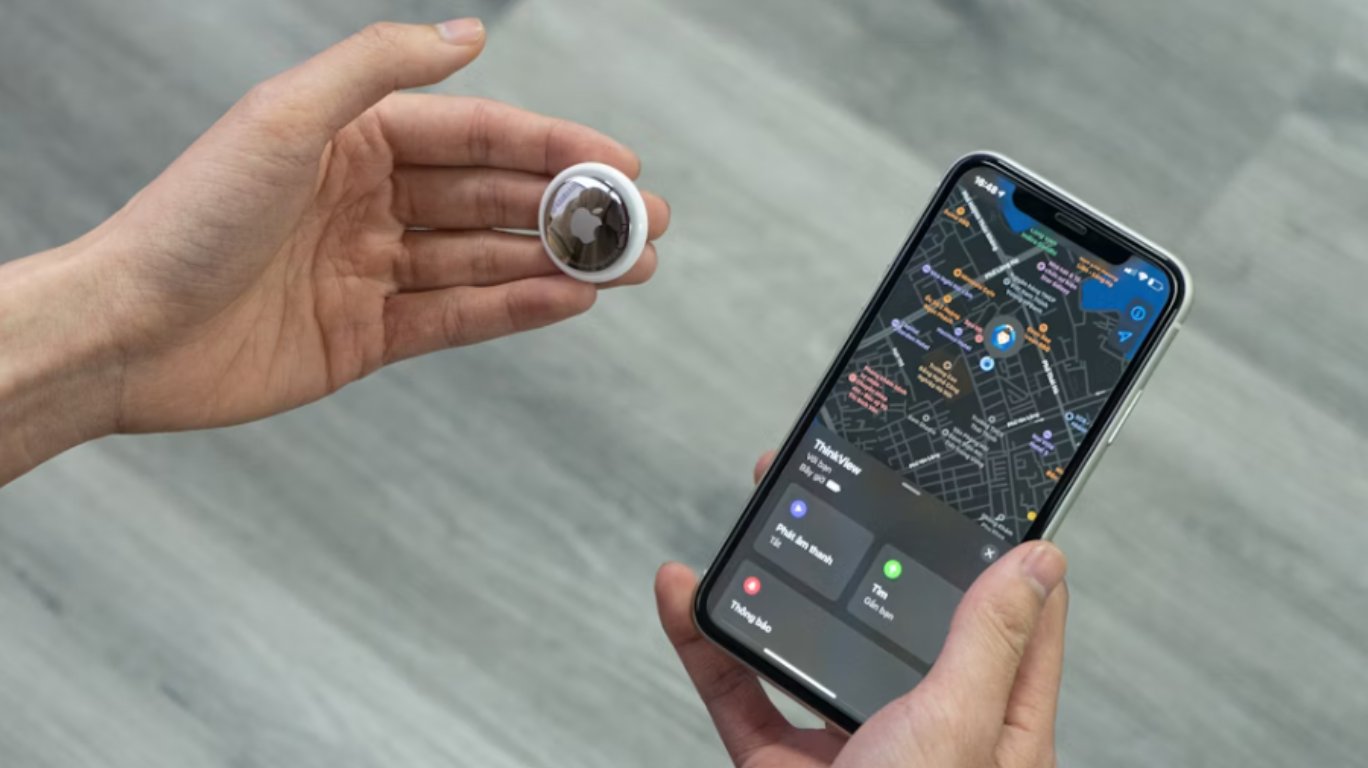
The original AirTag was built around three core ideas: simplicity, scale, and privacy. For iPhone users, setup was quick; the AirTag immediately worked with Find My, and Apple’s large network helped locate it easily, as AirTags function by pinging a signal off of nearby Apple devices.
Key features such as Precision Finding, powered by Ultra Wideband (UWB), set the AirTag apart from many competitors by offering directional guidance and distance estimates when users are close to a lost item. At the same time, Apple emphasised that the AirTag was designed for objects, not people, incorporating rotating Bluetooth identifiers and alerts to reduce the risk of unwanted tracking.
However, real-world use also exposed limitations. Users reported difficulty hearing AirTags in cluttered or noisy environments, and the effective range for Precision Finding could feel restrictive in larger spaces.
These strengths and pain points alike shaped the direction of the update.
What hasn’t changed and why that matters
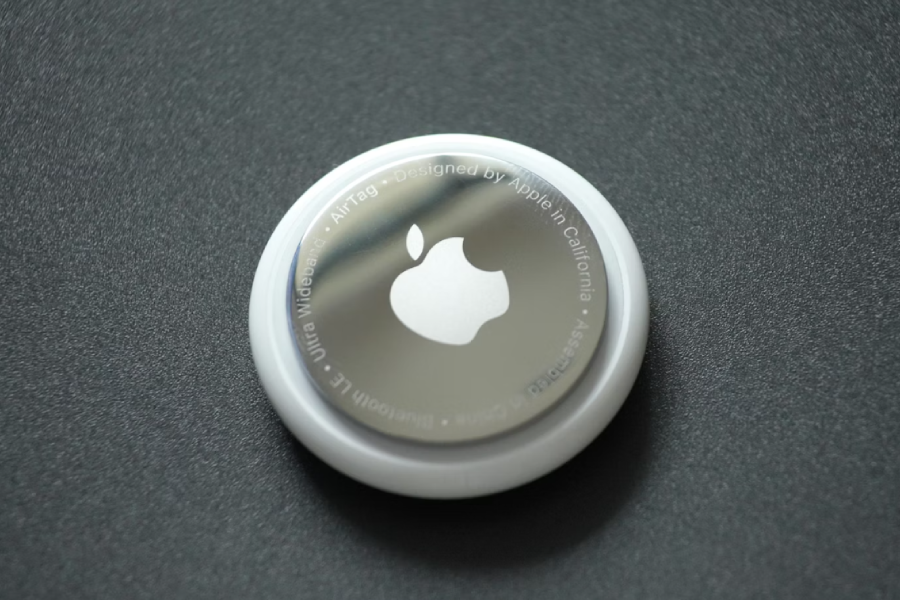
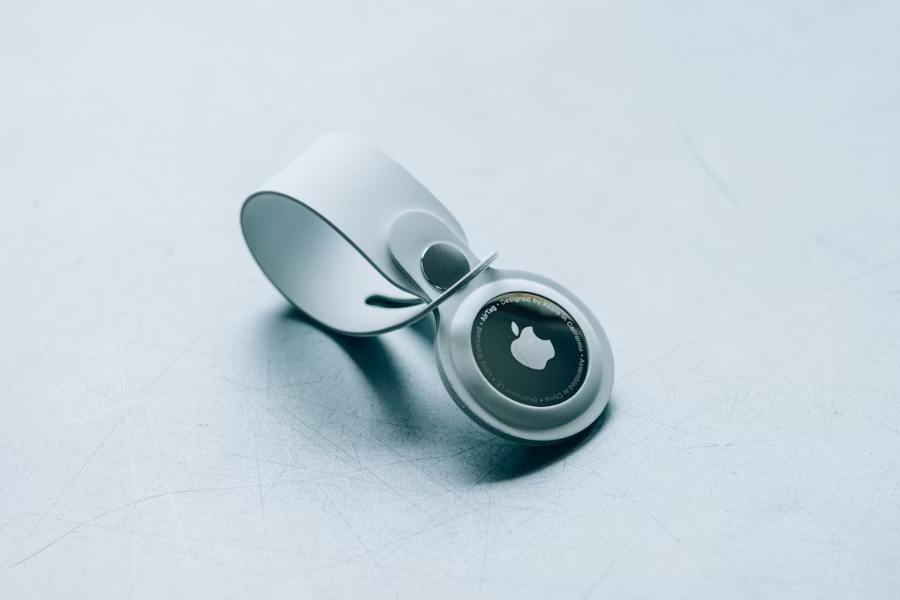
One key decision Apple made with the second-generation AirTag was not to change much of what made the first-generation so successful. The model retains the same physical design, battery type, and accessory compatibility as the original. Existing key rings, luggage tags, and holders still work, and battery replacement remains simple with a standard CR2032 cell.
For customers and enterprise buyers alike, this continuity reduces friction. Accessories don’t become outdated as the technology changes.
It also signals Apple’s confidence in the original design, focusing its efforts on innovation that most directly impacts usability.
What has changed for the better?
Improved range
The most significant upgrade in the second-generation AirTag is findability. Apple has equipped the device with an Ultra Wideband chip, enabling Precision Finding to work from up to 50% farther away than before.
Bluetooth range has also been extended, increasing the likelihood that nearby devices in the Find My network can detect a misplaced AirTag.
Combined, these improvements make locating an AirTag faster and more reliable—especially in public spaces like airports and parks where people often misplace things.
Louder alerts
Another clear lesson from the first generation was audibility. The original AirTag’s speaker could struggle to cut through noisy environments or dense and compact spaces like bags or furniture.
Apple has redesigned the internal acoustics of the AirTag, making the speaker 50% louder and audible from up to twice as far away. This change directly improves everyday scenarios: finding keys between sofa cushions, locating a bag in a busy room, or identifying which item is pinging when multiple AirTags are nearby.
Precision Finding on Apple Watch
Apple has also extended Precision Finding beyond the iPhone. For the first time, compatible Apple Watch models can guide users directly to their AirTag using a variety of cues, including visual, audio, and haptic (vibrations, taps, or pulses).
This update reflects how users increasingly rely on wearables for quick interactions, particularly when their phone is not immediately accessible. This hands-free option adds convenience without adding complexity.
Privacy and safety
The AirTag continues to use end-to-end encryption and avoids storing location history on the device. With the Find My information anonymised, even Apple cannot see where an AirTag is located.
Apple has also expanded Share Item Location, allowing users to temporarily share an AirTag’s location with trusted third parties—including more than 50 partner airlines—to help recover delayed or lost luggage. Access automatically expires, reinforcing Apple’s emphasis on user privacy and control.
A measured evolution
The second-generation AirTag is not a radical departure from its predecessor, and that is arguably its greatest strength. By refining range, sound, and ecosystem support while preserving compatibility and privacy, Apple has demonstrated a clear learning curve from the first generation’s success and criticism alike.
For customers and the wider tech industry, the evolution of the AirTag offers a case study in iterative design. Rather than adding flashy features, Apple focused on reducing friction in moments of stress and uncertainty—when something is genuinely lost.
As Apple continues to expand the Find My ecosystem, the AirTag remains a small device with an outsized impact on how people keep track of the things that matter most.