Understanding Samsung Phones: A Clear Guide to Every Galaxy Series
Introduction
Including five different series of phones (S, Z, A, M, and F), Samsung offers more smartphones than almost any other manufacturer. While that variety is great for choice, it can also make finding the right phone feel a bit complicated at first.
But when considering the target audience and performance capabilities, the five categories become easy to understand. Rather than focusing on individual models, we’ll break down what each Galaxy series represents, who it’s designed for, and how they differ in terms of performance, features, price, and overall experience.
Whether you’re shopping for a flagship device, a reliable everyday phone, or a budget-friendly option with great battery life, understanding the series is the first step.
S series
Flagship performance and premium design
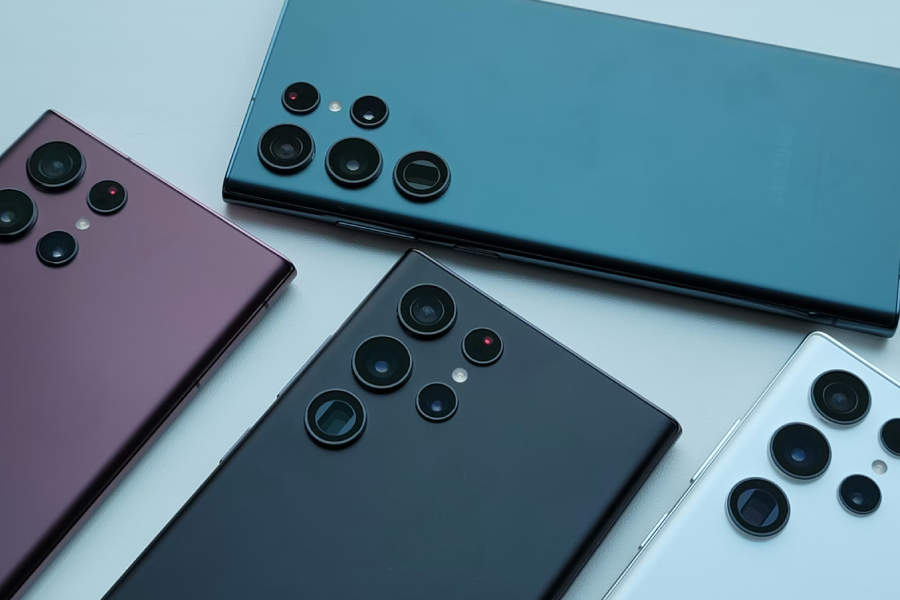
The Galaxy S series represents Samsung’s flagship smartphone lineup and serves as the benchmark for what the company can deliver. Devices in this range are designed to showcase Samsung’s most advanced technologies, combining cutting-edge hardware, refined software, and high-end materials into a single product family.
Performance is a central focus of the S series. These models are equipped with the most powerful processors available at launch, whether that takes the form of the latest Snapdragon chipset or Samsung’s newest Exynos platform, depending on the market and region. This ensures high performance across demanding tasks such as photography, gaming, multitasking, and on-device AI processing.
The S series acts as Samsung’s primary platform for new software capabilities. These devices are typically the first to receive major Android updates, One UI enhancements, and the latest AI-driven features, reinforcing their position at the top of the Galaxy ecosystem.
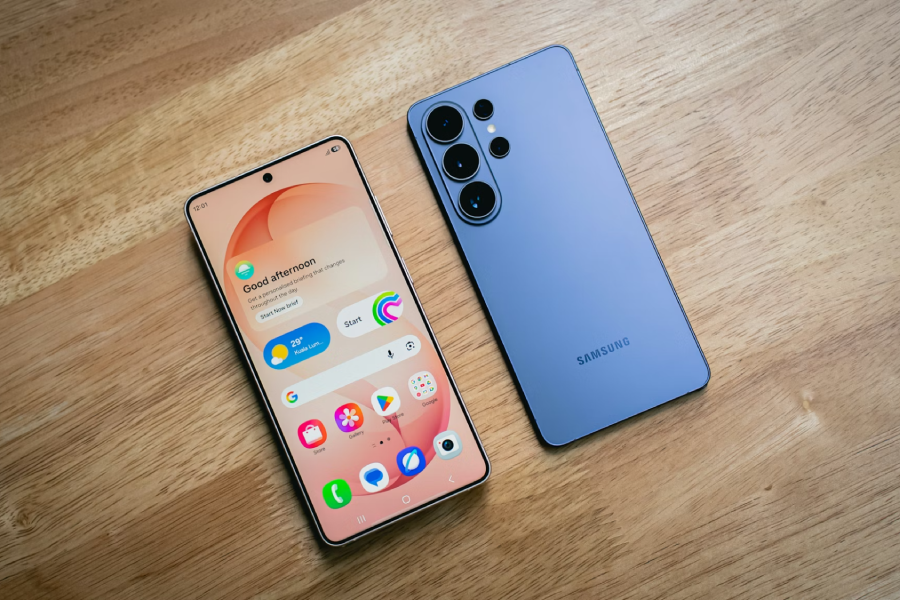
Camera systems are another defining feature of the S series. Samsung uses this lineup to introduce its most advanced imaging hardware and software, including high-resolution main sensors that can reach up to 200 megapixels, alongside ultra-wide and telephoto lenses. Optical zoom, optical image stabilisation, and sophisticated image processing work together to deliver strong results across a wide range of lighting conditions and shooting scenarios.
Display quality is equally uncompromising. Galaxy S devices feature top-tier AMOLED panels with high peak brightness, adaptive refresh rates, and carefully calibrated colour accuracy. These displays are paired with advanced protective glass technologies and are designed to deliver both visual impact and long-term durability.
Build quality reflects the flagship status of the series. Premium materials such as aluminium or titanium frames and reinforced glass are standard, contributing to a solid, refined feel and long-term resilience.
Overall, the Galaxy S series is positioned as the most complete expression of Samsung’s smartphone capabilities, prioritising excellence across performance, cameras, display technology, and design without significant compromise.
Z series
Smartphones that bend the rules
The Z series sits in a category of its own, designed exclusively for foldable smartphones rather than traditional slab-style devices. Instead of refining an existing formula, this lineup explores entirely new ways to use a phone by physically changing its shape. Within the range, there are two distinct design approaches: book-style foldables that open out into a tablet-like display, such as the Fold and TriFold concepts, and compact Flip models that fold vertically, echoing the satisfying snap of classic flip phones.
Because of this experimental hardware, Z series devices typically come with a higher price tag than mainstream flagships like the S series. That premium isn’t about chasing the fastest processor benchmarks or building the most rugged phone possible. Instead, it reflects a focus on delivering something fundamentally different: a novel user experience that pushes beyond what a standard smartphone can offer.
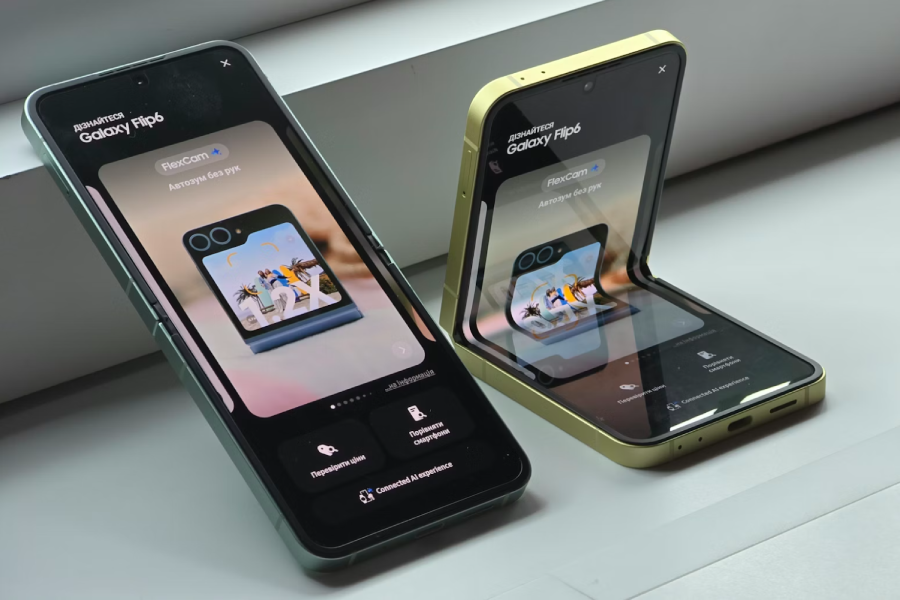
At the heart of the Z series is innovation and multitasking. By unfolding into a much larger screen, these devices allow users to run multiple apps side by side, edit documents more comfortably, or enjoy media on a display that feels closer to a tablet—all while folding down small enough to slip into a pocket. It’s a bold approach that prioritises versatility and experimentation.
A series
Everyday smartphones
The A series is Samsung’s best phone for everyday use at a sensible price. Positioned firmly in the budget-to-mid-range space, these devices are designed to deliver strong features without the premium cost. Practical design choices—such as plastic backs and larger batteries—help keep prices down while improving durability and day‑to‑day usability.
Despite receiving less fanfare than the headline‑grabbing S and Z series, the A series is arguably Samsung’s most important lineup. It accounts for a huge portion of the company’s overall phone sales, quietly powering the smartphones of millions of users worldwide. Its appeal lies in breadth: this is the range that caters to students, families, professionals, and anyone who wants a reliable device without paying flagship prices.
One of the A series’ biggest strengths is how close it comes to the flagship experience. Displays, cameras, and software features often mirror what you’ll find on higher-end models, just with more modest hardware choices. For many users, the differences are subtle—especially when the phone is used for messaging, streaming, browsing, and social media.
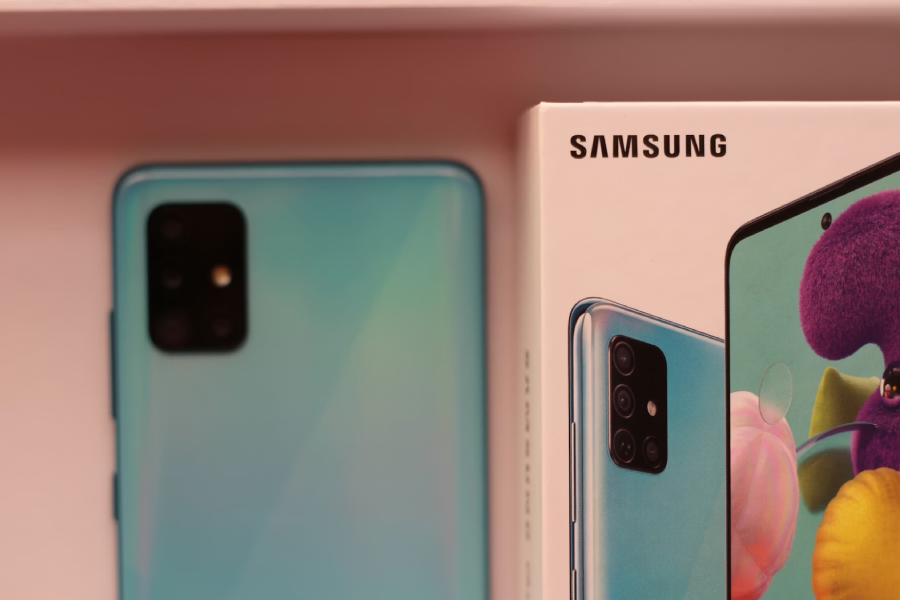
Within the A series, there’s a tier system that helps buyers find the right balance between features and cost. Entry-level models in the A0x and A1x ranges focus on affordability and core functionality. Step up to the A2x and A3x devices, and you’ll find more capable cameras, smoother displays, and stronger performance. At the top sits the A5x range, which pushes into upper mid-range territory, offering the closest experience to a flagship without crossing into premium pricing.
Ultimately, the A series is about choice. Every model aims to provide a solid, well-rounded experience at a reasonable price, with the main deciding factor being how close you want to get to flagship-level features. It’s a lineup built to fit seamlessly into everyday life.
M series
Built for longevity and simplicity
The M series is designed with a very specific priority in mind: long-lasting battery life at an accessible price. Rather than competing on cutting-edge performance or advanced camera systems, these phones focus on the fundamentals that matter most to many users—staying powered throughout the day and remaining affordable.
In terms of hardware, M-series devices often share similarities with models from the A series. You’ll find comparable displays, processors, and general build choices, but the positioning is different. Where the A series aims to balance features and polish, the M series leans more heavily toward value and endurance. Larger batteries are a defining characteristic, making these phones especially appealing to users who don’t want to worry about frequent charging.
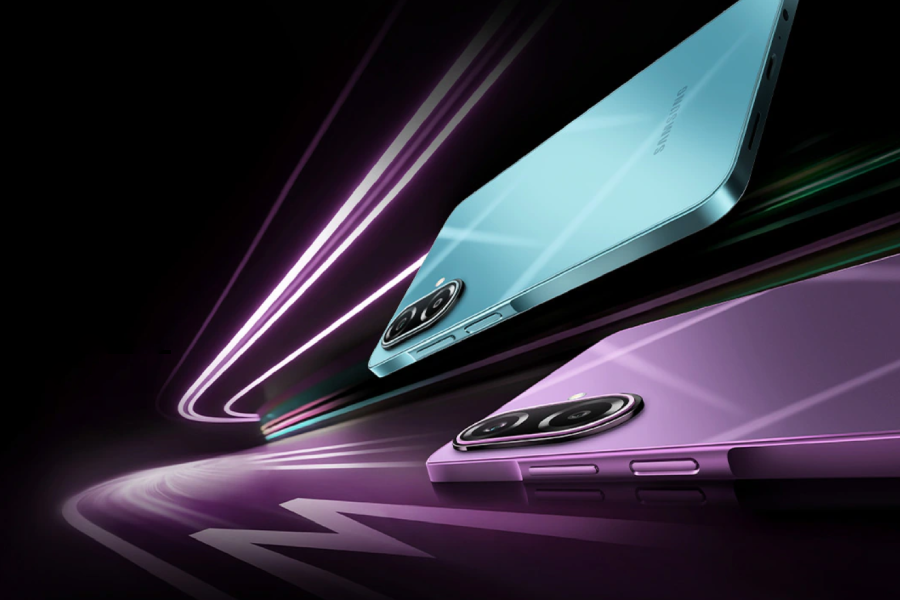 Image courtesy of samsung.com
This approach naturally keeps costs down. By deprioritising high-end cameras and performance-heavy components, the M series delivers a dependable smartphone experience without unnecessary extras. It’s a practical lineup that avoids overengineering and instead concentrates on reliability.
F series
Region-specific smartphones
The F series doesn’t have a clearly defined role like the S, A, Z, or M series do. Instead of introducing unique hardware or a distinct design philosophy, the F series sits somewhere in between—often mirroring phones that already exist under different names.
In practice, an F series device is usually almost identical to an A series or M series phone in terms of core hardware. Displays, processors, cameras, and overall design are often shared, with only minor tweaks separating them.
What really changes is not the phone itself, but how it is positioned and marketed. In one country, a device might be sold as part of the M series with a focus on battery life, while in another market the same phone appears as an F series model, emphasising camera quality or overall value for money.
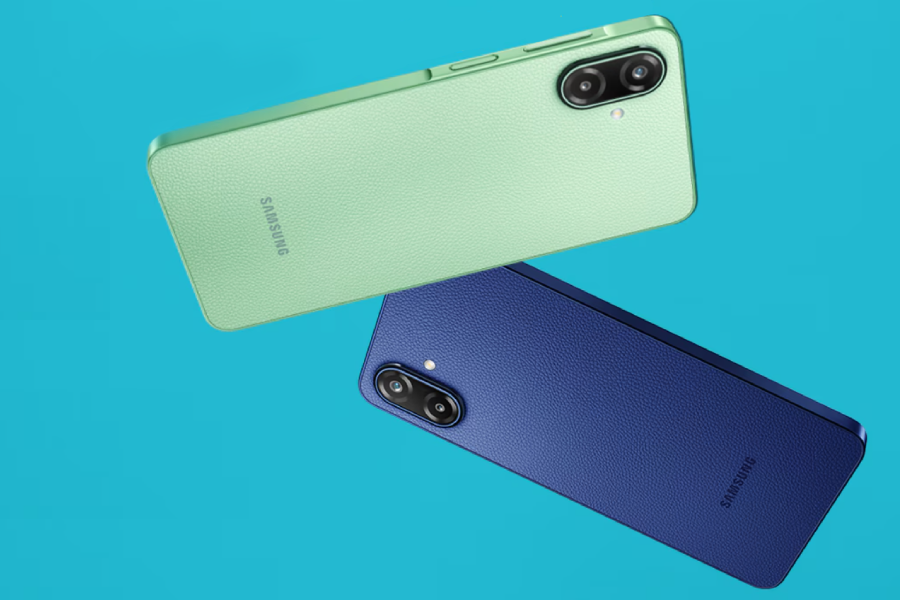 Image courtesy of samsung.com
This flexible branding allows Samsung to adapt its lineup to local market expectations. The F series is primarily aimed at online sales and is available only in select regions—most notably India, Bangladesh, and China. In these markets, Samsung adjusts pricing, promotions, and feature messaging to better match local buying habits and competitive pressures. As a result, the F series is a strategic lineup designed to fine‑tune Samsung’s offerings for specific regions, even if its place in the wider Samsung ecosystem isn’t immediately obvious.
Conclusion
Samsung’s Galaxy lineup is deliberately broad, with each series designed around a clear purpose.
S series: flagship performance and advanced cameras
Z series: innovation, foldable form factors
A series: the heart of the lineup, a balance between price and everyday experience
M series: affordability and long battery life
F series: adapts A and M series hardware for specific regional markets
Taken together, this range shows that Samsung offers a phone for almost every type of user and budget. Whether you care most about photography, multitasking, battery endurance, or simply getting the best value for money, there’s a Galaxy model designed with those priorities in mind.
Instead of defaulting to the newest or most expensive option, you can focus on what actually matters to you. Ultimately, the best Samsung phone isn’t the priciest one—it’s the one that fits your needs, habits, and budget the best.