Axe-con 2026: How Tech Can Cultivate a More Inclusive World
Axe-con is a global digital accessibility conference dedicated to advancing accessibility within technology for a more inclusive digital world. Every year, it brings together experts from across the tech world, researchers, accessibility advocates, and people with lived experience to share insights on building technology that works for everyone.
As a conference founded on the principles of inclusivity, Axe-con 2026 remained entirely free to attend and fully virtual, running from the 24th to the 25th of February. This accessible format ensured that people across different countries, time zones, and abilities could participate without barriers—perfectly aligning with the event’s mission.
The two-day programme showcased a variety of talks, workshops, and panel discussions exploring how accessible design and thoughtful technology can shape the future.
If you're keen to see what went down, check out Axe-con 2026 here.

Accessibility in tech design
During Axe-con 2026, several talks emphasised the importance of accessibility in tech design. When accessibility is added as an afterthought rather than integrated into tech design from the start, whole groups of people are automatically left out: this can mean being unable to access important information, use apps on our phones, or complete a digital form.
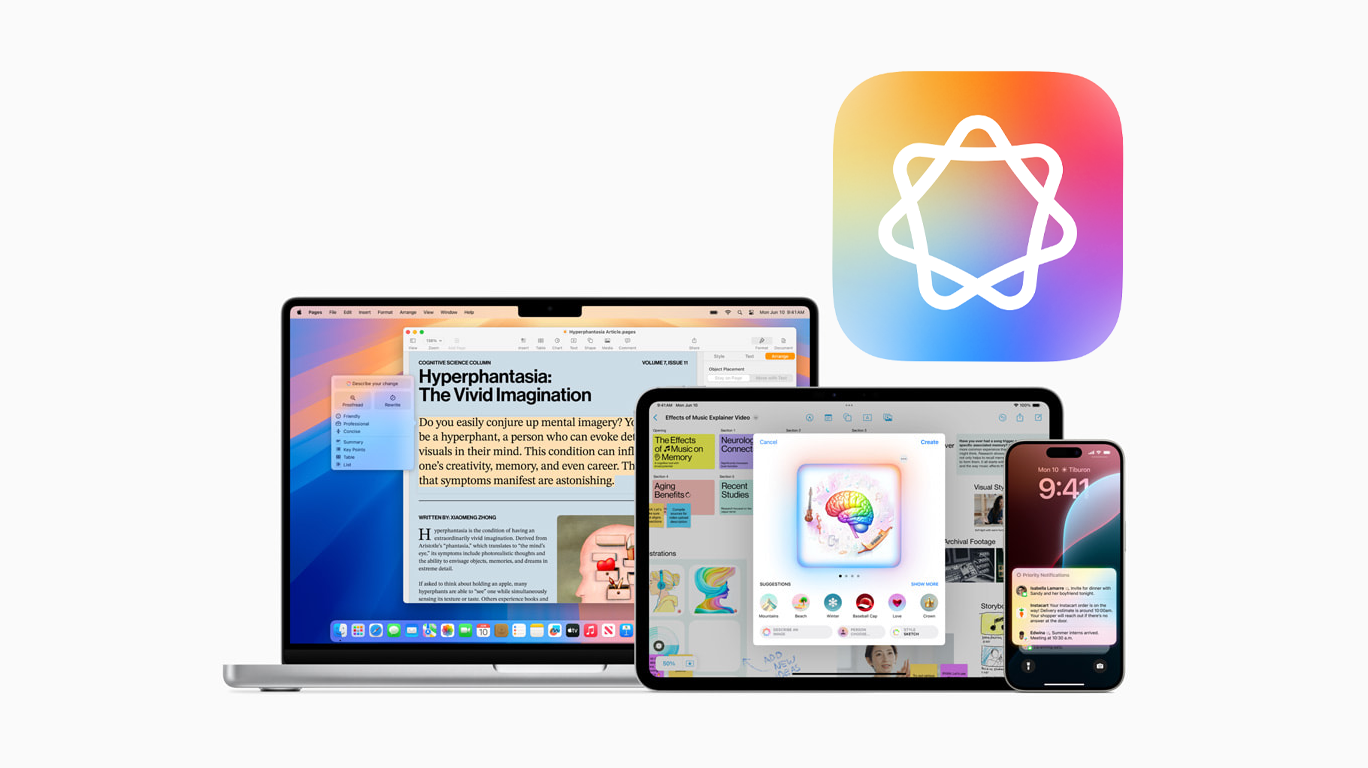
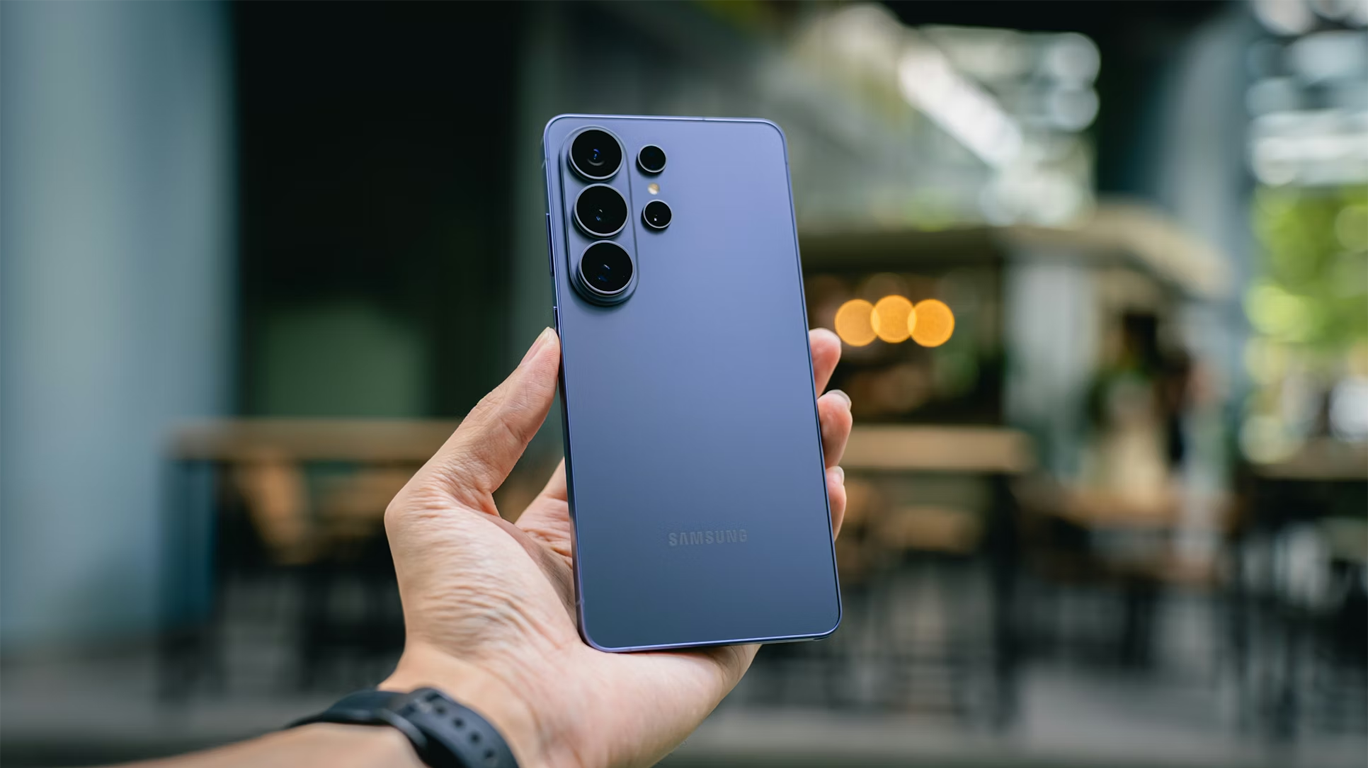
But in recent years, more companies have begun intentionally weaving accessibility into the foundations of their technology. Mobile phones are now packed full of assistive features, from voice controls to adjustable text size and screen readers. Across different platforms, technology can make it easier for you to communicate effectively with people with disabilities in your life. Having built-in accessibility options at the core of our devices unlocks smoother user experiences for everyone.
Generating human-centric AI
AI is an increasingly popular tool, and its capabilities are continually expanding. But within the current landscape that continually prioritises AI’s IQ, Axe-con emphasised the importance of cultivating AI’s emotional intelligence. Human-centric AI is artificial intelligence built with real human needs at its core to help better support us; AI that doesn’t just process information, but understands the diverse ways people learn, communicate, and navigate the world.
For many people with disabilities, AI is a fundamental tool for daily life: those with visual impairments can benefit from voice-controlled AI assistants, whilst neurodivergent people can use chatbots to break down information clearly and overcome executive dysfunction. It’s clear that AI already offers significant accessibility benefits, and with a focus on creating more human-centric AI, it’s exciting to consider the additional accessibility support that may be available soon.

Thinking ahead
As technology advances, its ability to create a better world for everyone also grows. Axe-con 2026 emphasised that accessibility is not an end state but a continuous effort. The future of tech is bright, driven by the collaborative commitment of designers, developers, people with lived experience, and the wider community. Accessible technology benefits all of us, and Axe-con offered a valuable glimpse into how the digital world can become a more inclusive space for everyone.