Connected and Covered: A Travel Guide to Tech Protection and Savings
As our horizons expand, technology is becoming an essential part of how we move through the world. Digital nomads work across the globe, people seek new destinations and experiences, and many of us head home for the holidays. Wherever we go, our devices come with us.
Phones, laptops, wearables, and more: these powerful, portable machines help us stay connected and organised, ensuring we can take a much-needed break without being left out of the loop. They’re also intrinsic to the convenience of travel, with boarding passes, payments, and navigation underpinning key parts of the trip.
But that convenience comes with risk. Pickpocketing and theft are all too common, adventurous activities can lead to loss or accidental damage, and hidden fees can add unexpected costs.
Mastering the art of travel isn't just about packing light. It’s about protecting, managing, and optimising your tech so you can enjoy the journey and the destination.

Protection
Why tech protection matters abroad
Your devices can be vulnerable when you’re travelling, so put the right protections in place to give yourself real peace of mind.
Airports, beaches, taxis, and busy city centres are all high-risk environments for loss, theft, or accidental damage. The last thing you need is to face costly repairs, or worse, to lose access to your personal data.
Without proper preparation, a lost device can quickly become a bigger problem. Recovering files depends on recent backups, and there is also a risk that sensitive information could fall into the wrong hands. Repairs abroad can also be complicated, especially where devices rely on region-specific parts or authorised service centres.

Review your insurance to understand what’s covered
Before you set off on your travels, take a few moments to check your cover and prepare your devices. This can save you heaps of time, money, and stress while you’re away.
Does your policy include international travel?Which countries or regions are covered?
Are both loss and theft included?
Are there types of accidental damage that are not covered?
What excess fees apply abroad?
Are there exclusions for unattended items?
Are there time limits for when you can report a claim?
Prevention
How to prevent problems before they happen
Let’s look at the prevention strategies you can follow to reduce risks and get back on track should the worst happen.
Before travelling:
- Back up your data
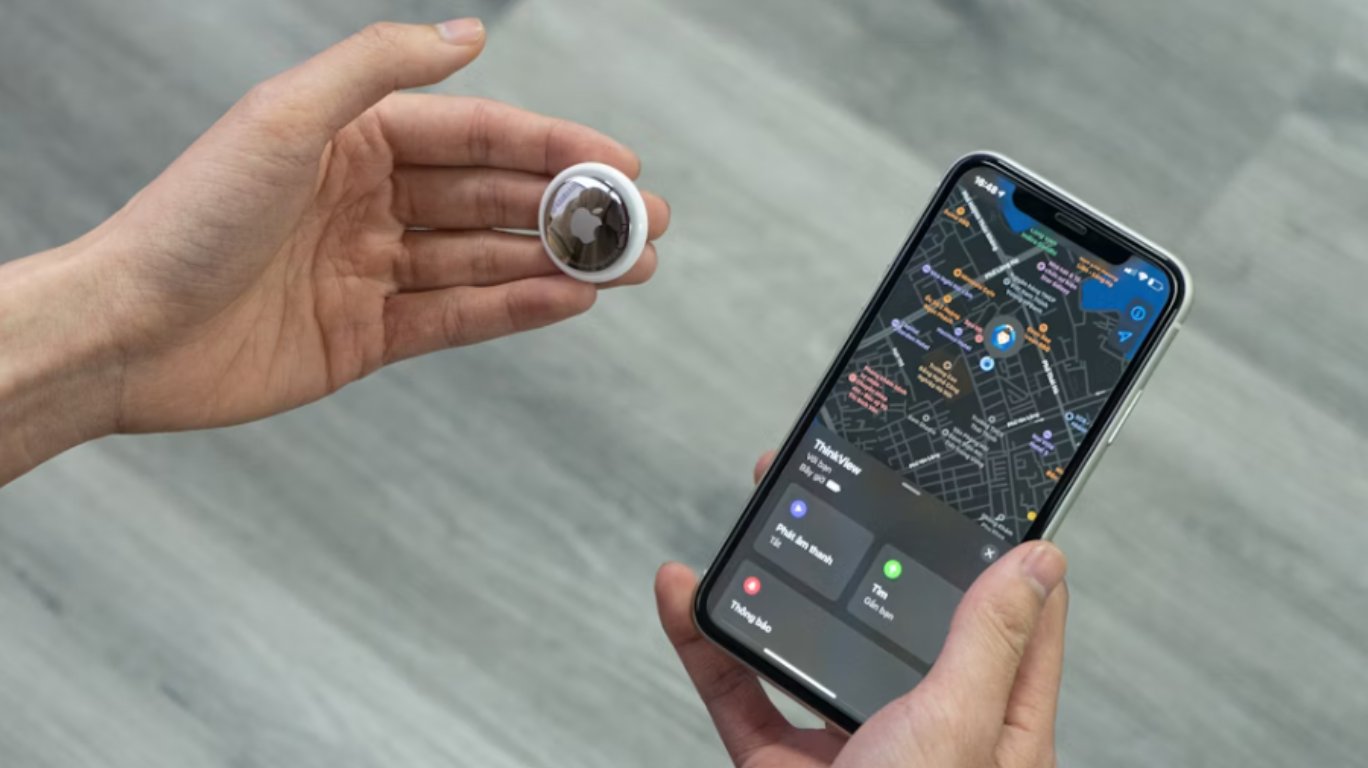
- Enable device tracking and remote lock/wipe features
- Be selective about which tech you bring and where you take it (essentials-only is best practice)
While travelling:
- Use AirTags or similar trackers for valuables (e.g. luggage, devices)
- Protect devices with cases, built-in body straps, or bag/belt clips to prevent loss or pickpocketing
- Charge devices in advance to avoid leaving them behind at public charging hubs
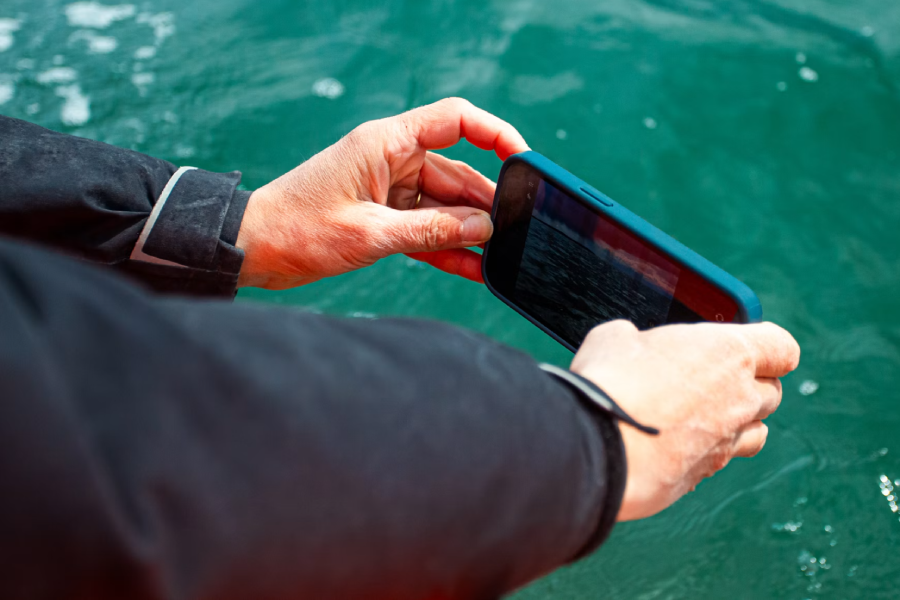
- Store devices safely during high-risk or adventurous activities

If the worst should happen...
Crucial actions:
Remotely lock your device to prevent unauthorised access.
Freeze any bank cards where possible.
Report incidents of theft to local authorities.
Contact your insurer immediately.
Additional precautions:
Consider remotely wiping the device.
Restore your data from your backup to minimise disruption.

Connectivity
How to stay connected without the connected costs
Most modern phones support eSIMs (either eSIM-only or dual SIM). They’re easy to set up and often provide better value than roaming with your home provider, especially when using local data plans.
Where possible, use an eSIM rather than swapping physical SIM cards. It’s more convenient, avoids losing your physical SIM, and lets you keep your primary number active for calls/texts while using a lower-cost eSIM for data.
And, regardless of your plan, remember to switch mobile data off when you’re not using it. Phones can accidentally connect to foreign networks (especially near borders), which may trigger unexpected charges if certain regions are not covered by your plan.
Frequent traveller? Consider a plan with inclusive international data to avoid repeatedly adjusting settings or buying short-term packages.
Occasional traveller? Look for pay-as-you-go, daily roaming add-ons, or pay for the days you’re away. These options let you only pay for what you need.
To keep costs down:
Use mobile data only when connected via your eSIM or within a capped plan.
Avoid excessive data use when on pay-as-you-go roaming rates, as charges can quickly add up.
Connect to secure Wi‑Fi where available and utilise Wi‑Fi calling/messaging apps.
Convenience
How to turn your phone into a travel hub
Digital wallets (Apple Wallet, Google Wallet, Samsung Wallet) allow you to store bank cards securely on your mobile, offering a simple alternative (or backup) to carrying physical cards. If a card is lost or stolen, you can instantly freeze or limit spending via your banking app without disrupting your trip.
Contactless payments also make day-to-day spending quicker and easier, but keep an eye out for what fees may apply when using your card abroad. If you’re concerned about these hidden costs, reach out to your bank for more information. There are also travel-focused banking cards that avoid fees for spending abroad and currency conversion, which can be set up in a matter of hours.
You can also store key travel essentials in your phone’s Wallet app, like boarding passes, tickets, and booking confirmations. This reduces the need for printed documents and keeps everything organised in one place.

Before you head off, take a moment to review your insurance policy, check your settings and data coverage, and think through how you’ll use your devices when travelling.
It’s a simple approach, but one that can help you avoid disruption, save money, and travel with greater confidence.