Global Tech News of the Year
Breakthrough smartphones, AI-powered (artificial intelligence) software, futuristic concept devices and smarter home technology: 2026 has been a landmark year for innovation. Major industry events such as CES, MWC, and Google I/O brought a wave of innovative launches, bold experiments and tailored platform updates.
Across mobile, computing, smart homes, accessibility, and artificial intelligence, companies focused on delivering more intelligent, connected, and user-friendly experiences. Whether through next-generation AI assistants, new device form factors, or features designed to improve everyday convenience, the year demonstrated how technology is becoming increasingly personalised and integrated into daily life.
Artificial intelligence: Personal and proactive
Artificial intelligence was one of the defining themes of 2026. Rather than existing as standalone chatbots or experimental tools, AI became more deeply integrated into the products and services people use every day.
Google introduced significant updates to Gemini, along with AI-powered experiences such as Ask Maps, Ask YouTube, and enhanced Search capabilities. Apple continued expanding Apple Intelligence and its AI-enhanced Siri experience, while Samsung further developed Galaxy AI across its mobile ecosystem.
The industry's focus shifted from demonstrating what AI can do to showing how it can simplify everyday tasks. From planning journeys and finding information to managing notifications and improving productivity, AI increasingly became a background assistant that works alongside users rather than demanding their attention.


CES: Practical AI takes centre stage
CES 2026 highlighted a growing emphasis on practical, consumer-focused AI. Rather than focusing solely on experimental technologies, manufacturers demonstrated how AI can improve products people already use, from televisions and household appliances to PCs and wearables.
Samsung was among the event's headline exhibitors, showcasing AI-powered consumer electronics and connected home experiences designed to work more seamlessly together. Other manufacturers demonstrated AI-enhanced laptops, productivity tools, and smart home devices, reinforcing the industry's broader move towards intelligent ecosystems.
The event showed that AI is no longer limited to premium products or niche applications. Instead, it is becoming a core feature across a wide range of consumer technology categories.
Foldables: From novelty to mainstream
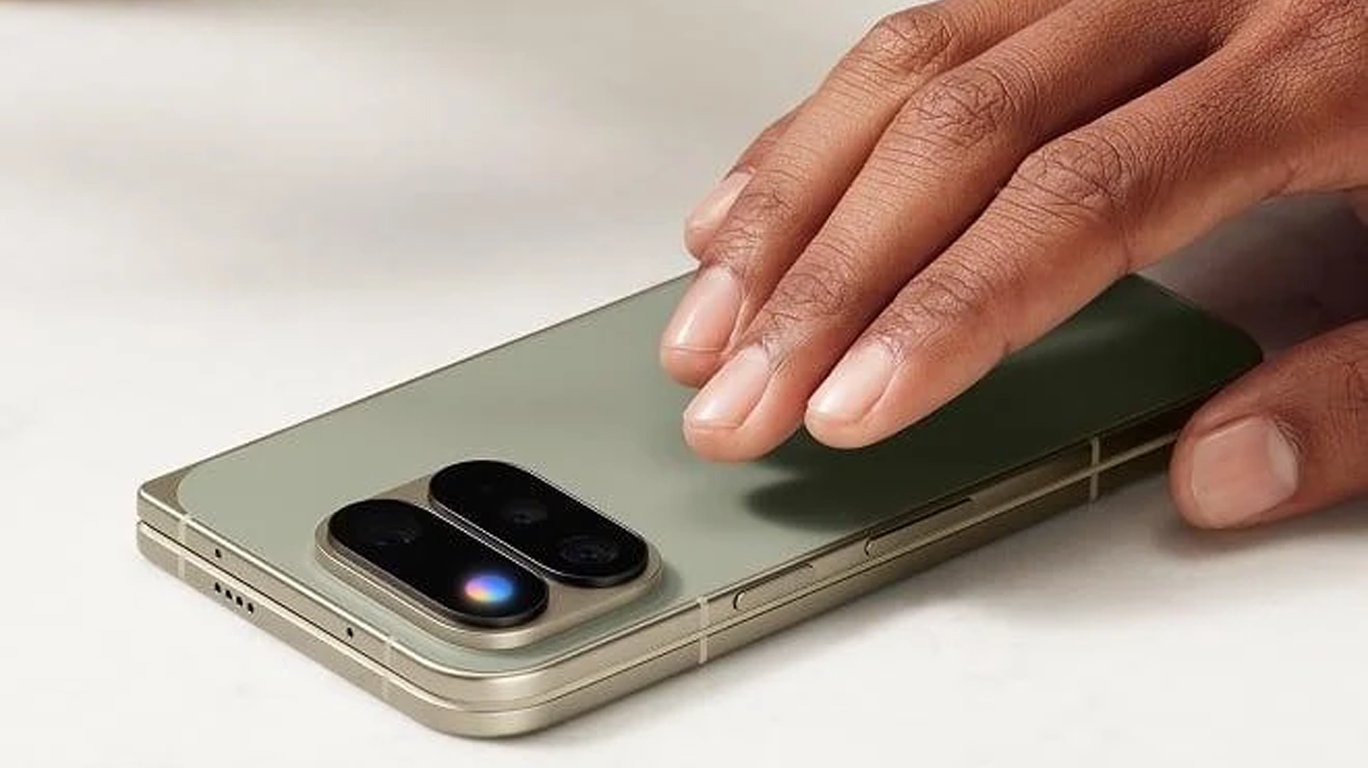
Foldable technology continued its journey into the mainstream market, with manufacturers showcasing not only new devices but also ambitious concepts that hint at where mobile computing could be heading next. MWC (Mobile World Congress) was a major stage for this innovation, with companies demonstrating how flexible displays could transform the way people work, play, and create.
Among the most eye-catching reveals were new concepts from Lenovo. The company showcased the Legion Go Fold, a foldable gaming handheld that expands from a portable device into a significantly larger display. The company showcased this alongside the Modular AI PC, which explored dual displays, detachable components, and adaptable ports. While these products remain concepts rather than retail devices, they highlighted a growing industry focus on versatility and customisation.

Smart glasses: The rise of ambient computing
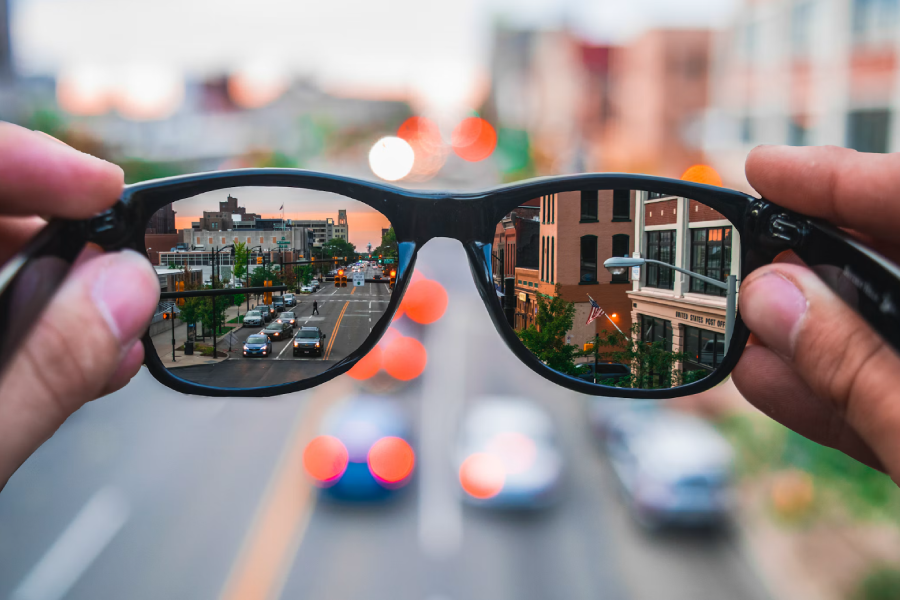
At Google I/O 2026, Google showcased its vision for AI-powered smart glasses. Among the highlights were Gemini-powered audio glasses, a new type of wearable designed to provide on-demand access to AI assistance through voice interaction. Rather than relying primarily on a visual display, the glasses deliver information through discreet audio responses, allowing users to receive answers, guidance, and updates while keeping their attention on the world around them.
More broadly, smart glasses represent a shift towards ambient computing, where technology becomes less visible while remaining readily available when needed. By reducing dependence on smartphone screens and bringing AI assistance into real-world environments, these devices could make multitasking easier and help users access information more seamlessly throughout their day.
XR (extended reality) and new computing experiences
The race to define the next generation of computing continued throughout 2026, with manufacturers investing in extended reality (XR), mixed reality, and immersive experiences.
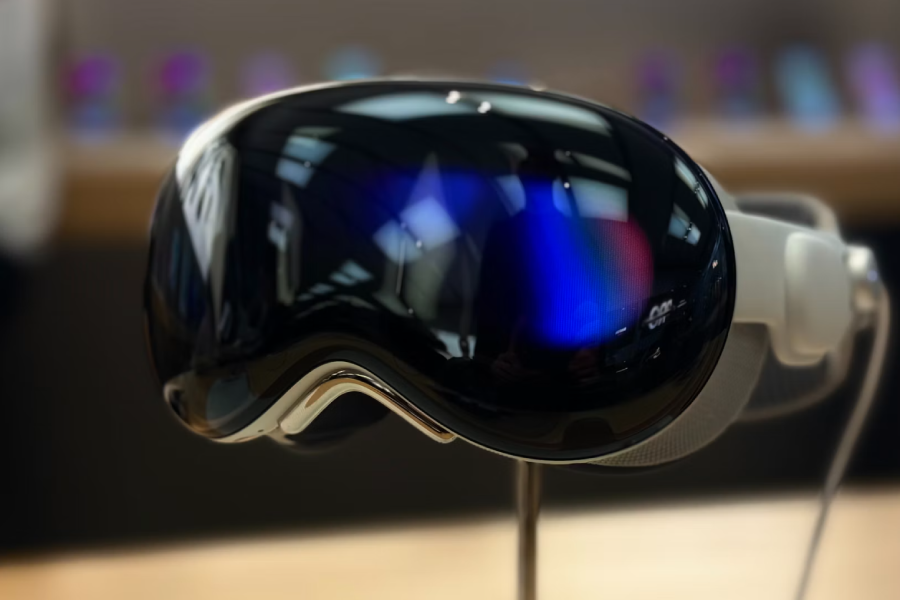
Samsung's launch of Galaxy XR demonstrated the company's ambitions beyond traditional smartphones and tablets. Meanwhile, developments across the broader industry highlighted increasing interest in spatial computing, in which digital content can be blended with users' physical surroundings.
While the category remains in its early stages, XR devices represent another step towards more immersive and intuitive ways of interacting with technology.
Health, wellness, and accessibility
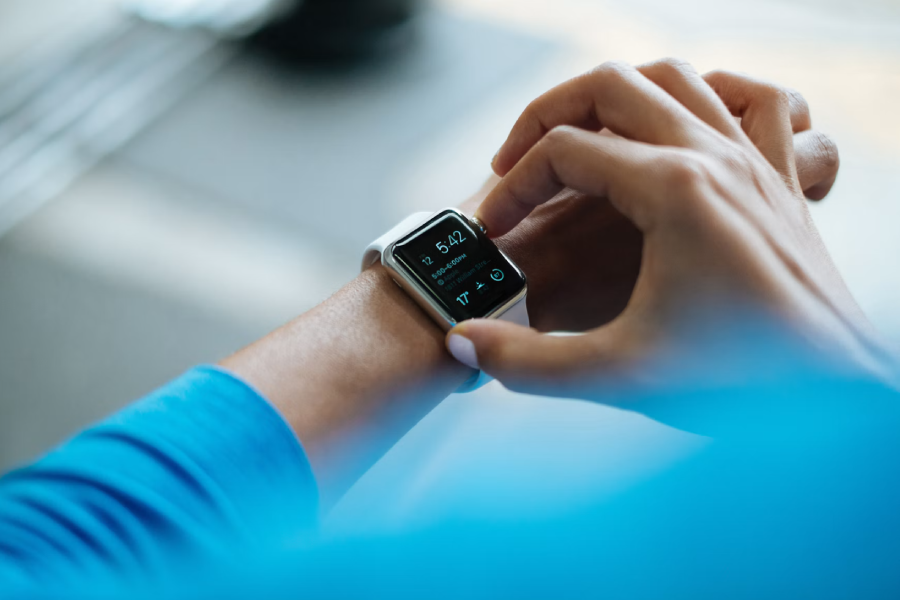
Health and accessibility remained important areas of innovation during 2026. Smartwatches, wearable devices, and health-focused software continued to add new capabilities designed to help users better understand their wellbeing and stay connected to healthcare services.
At the same time, major platform providers expanded accessibility features to support a wider range of users. Advances in AI-powered voice assistance, real-time communication tools, and personalisation options demonstrated how technology can be adapted to better suit individual needs and preferences.
These developments reinforced a growing industry focus on creating products that serve a broader audience while providing practical everyday benefits.
Apple announcements
Apple's 2026 product lineup demonstrated the company's continued focus on connecting hardware, software, and services into a unified ecosystem. Alongside updates to Siri, Apple Intelligence, and iOS 27, the company introduced new devices across smartphones, computers, audio, and smart home categories.
Product launches included:
iPhone 17e, iPhone 18 Pro and Pro Max
iPhone Duo
iPad Air
Watch Series 12 and Watch Ultra 4
AirPods Max 2, AirPods 5, and AirPods 5 Wireless Charging Case
AirTag 2
MacBook Neo, MacBook Air, MacBook Pro, Mac mini, and Mac Studio
Studio Display and Studio Display XDR
Apple TV 4K, HomeView, and HomePod mini 2
Samsung announcements
Samsung continued building on its strengths in smartphones, wearables, televisions, and foldable devices throughout 2026. Alongside major hardware launches, the company advanced its software strategy with One UI 9 and expanded Galaxy AI across its product ecosystem.
Product launches included:
Galaxy S26, S26+, S26 Ultra, and S26 FE
Galaxy Z Flip8, Galaxy Z Fold8, and Galaxy Z Fold8 Ultra
Galaxy Tab S12
Galaxy Watch 9 and Galaxy Watch Ultra 2
Galaxy Buds 4 and Buds 4 Pro
Galaxy XR
2026 H Range TVs
Google announcements
Google's 2026 strategy centred on bringing Gemini and AI-powered experiences across its hardware and software portfolio. In addition to major updates to Search, Maps, YouTube, and Gemini itself, the company introduced new Pixel devices spanning smartphones, wearables, and accessories.
Product launches included:
Pixel 11, Pixel 11 Pro, and Pixel 11 Pro XL
Pixel 11 Pro Fold
Pixel Watch 5
Pixel Buds Pro 2 and Pixel Buds 2a
Pixel Tag
Looking back, 2026 was not defined by a single device or announcement, but by the industry's collective push toward a more adaptive and personalised future.
Advances in AI, foldable devices, smart glasses, health technology, accessibility features, and connected ecosystems showed that innovation is no longer measured solely by processing power or product specifications. Instead, the year's biggest developments highlighted a growing emphasis on practical benefits, helping technology fit more seamlessly into people's lives.