How AI is Transforming Gaming for the Future
From the pixelated plains of the 80s to today’s breathtaking open worlds, video games have continuously evolved. Artificial Intelligence (AI) is now driving the next big leap. Whether it’s through vast procedural worlds, adaptive gameplay, or dynamic storytelling, AI is empowering developers to build richer, more responsive experiences for players.
Let’s explore how this exciting technology is transforming the future of gaming.

Procedural generation
Procedural generation uses algorithms to automatically create parts of a game, like its world; think Minecraft’s ever-expanding, randomly generated worlds. When done well, procedural generation means no two playthroughs ever feel the same, making game worlds feel like immersive ecosystems of their own.
AI can advance procedural generation to whole new levels. Instead of relying solely on handcrafted rules and randomness, today’s games can tap into generative AI models that build worlds with greater nuance and creativity. In practice, this could take the form of constantly evolving game worlds that look intricately detailed, dungeons that twist in unpredictable ways, and entire galaxies that feel surprisingly alive.
Adaptive AI
If procedural generation reshapes game worlds, adaptive AI transforms how players interact with them. Instead of locking players into a fixed difficulty curve, adaptive AI can constantly analyse gameplay to adapt the challenge to different playstyles. The aim is to strike a balance where every encounter feels thrilling but never unfair.
Performance
If you’re landing perfect shots and clearing encounters with ease, the AI may respond by increasing enemy tactics. If you’re struggling, it can subtly slow the pace of combat to give you breathing room. There’s no pop‑up saying the game has changed—just a seamless sense that the challenge is meeting you exactly where you are.
Preference
This adaptability goes far beyond simple difficulty sliders. Some systems can monitor not just performance but preference; if you play cautiously, the AI may favour slower, more strategic encounters. If you’re bold and aggressive, it might respond with faster, more dynamic scenarios that match your energy.
When all these elements synergise, adaptive AI creates a game world that feels alive. It transforms each playthrough into a unique, evolving challenge that grows with your skill and style, making the journey more rewarding.
Dynamic storytelling
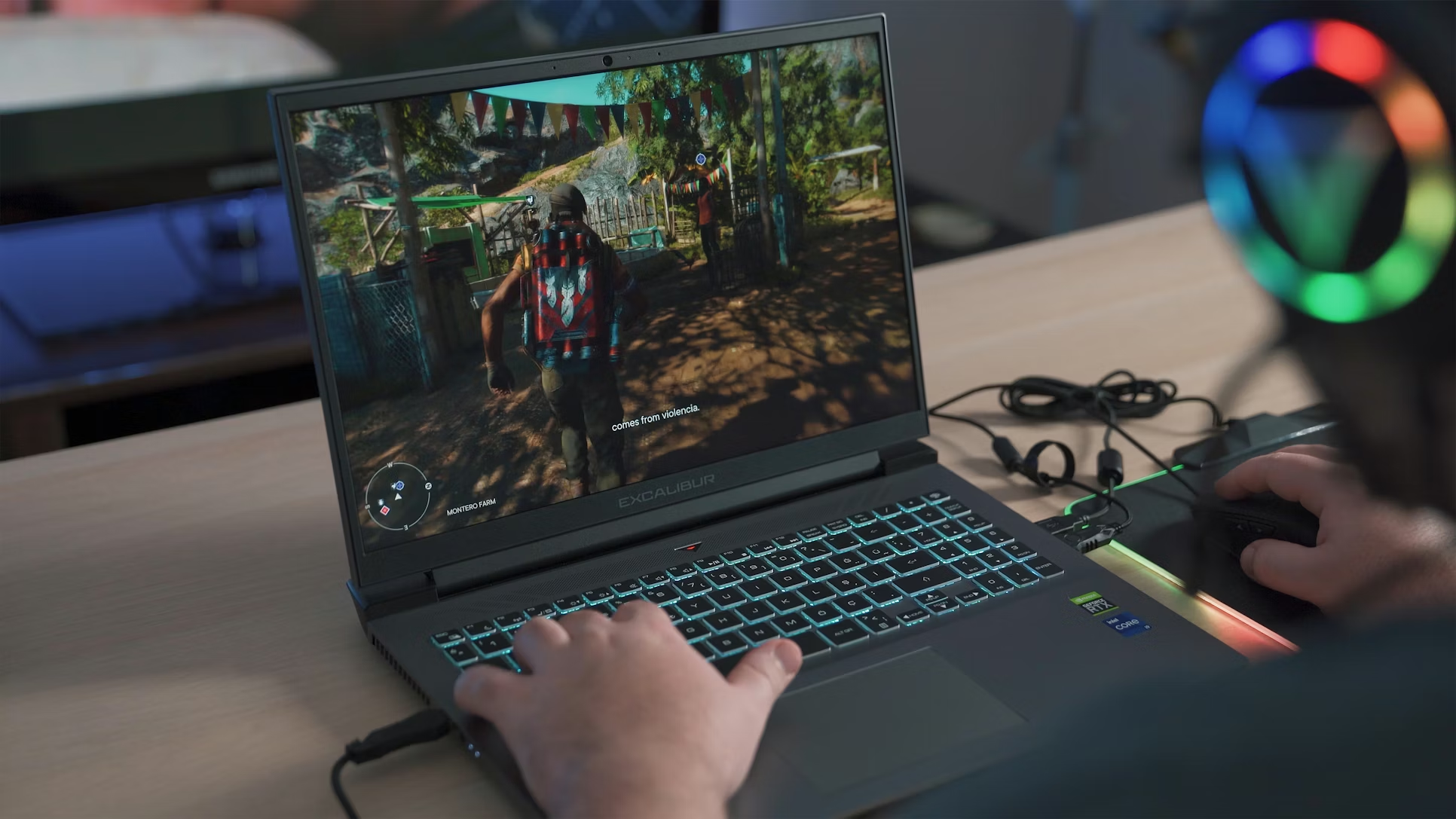
Adaptive AI doesn’t only shape combat, it can also impact a game’s story. One of the most exciting elements of modern game design is the ability for your in-game choices to shape the story. Players have always loved influencing a game’s narrative, but AI is pushing this far beyond simply picking between two options.
Dynamic storytelling can weave branching storylines that shift in real time, reacting to big decisions and subtle behaviours alike. Non-player characters (NPCs) are at the heart of this evolution. AI can enable NPCs to adjust their behaviour based on how you treat them, creating moments that feel surprisingly human.

The future of gaming
As AI continues to evolve, its role in game development will only grow more ambitious. By amplifying game developers’ creativity and giving studios the tools to experiment, AI can help bring bold new ideas to life. For gamers, this means stepping into game worlds that feel more alive than anything they’ve played before.