New Year, New Gear: Essential Tech Refresh
The power of a fresh start
The new year is synonymous with fresh goals, renewed energy, and the promise of doing things better than before. It’s the perfect moment to align personal resolutions—be more focused, waste less time, work smarter—with a technology refresh that actually enables them.
Outdated devices and software don’t just slow you down; they create friction, dampen creativity, and expose you to avoidable risks. The question is simple: Is your tech ready for the year ahead?
Treat the New Year as your annual tech audit. Build a simple inventory of your devices, licenses, and online subscriptions, then assess what is no longer serving you. Schedule the audit like you would a health check—an afternoon each year that pays off in productivity all year long.
Why upgrade now?
Upgrading early isn’t about shiny new toys—it’s about compounding gains across the year. Modern hardware and current software deliver faster performance, fewer glitches, and better compatibility with the tools you’ll adopt in 2026. On the security front, new devices and operating systems support stronger protections by default, reducing the likelihood of costly incidents.
Doing this in January means you realise the benefits for twelve months instead of six, and you avoid rushed, reactive purchases later in the year.
The best way to do this is to understand your current tech before you invest. Take a look at what areas need the most improvement. Upgrading these areas first will provide the most impact.
Then, upgrade your tech in waves. Plan out which new purchases youwill make and when so you don’t overspend. Not only that, but it can take time to set up a device, whether that is going to a store or doing it at home. Take one thing at a time to ensure each new device is fully set up and working for you before moving on to the next.
Hardware refresh
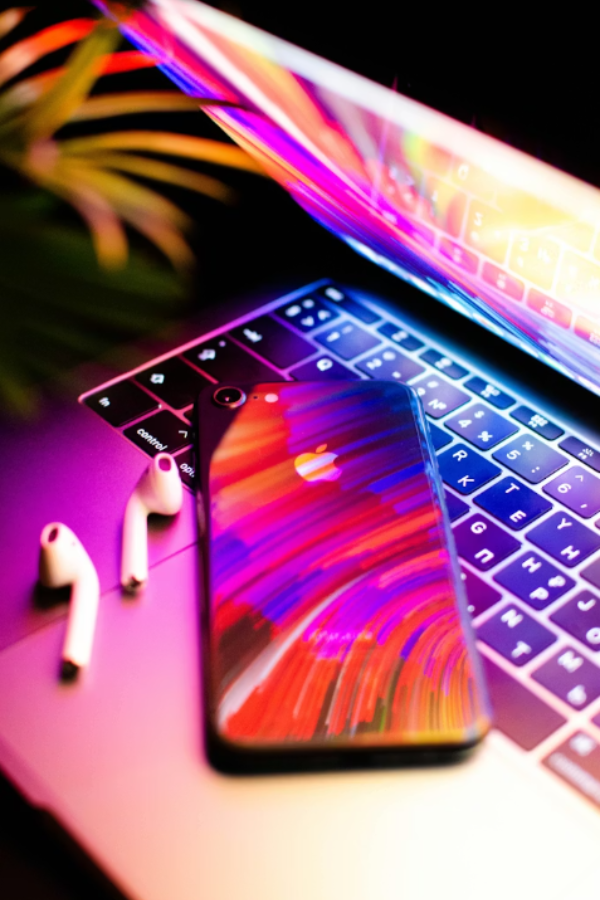
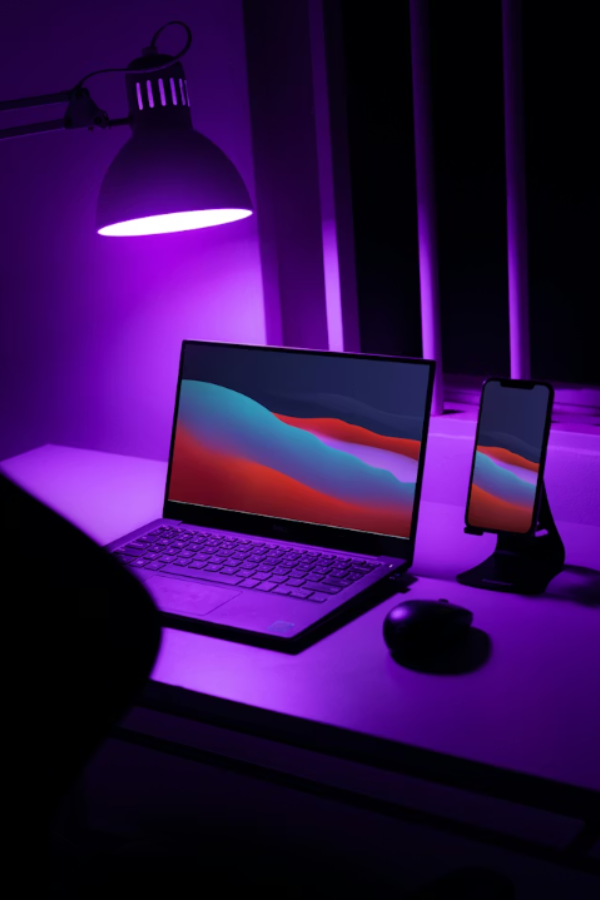
If your laptop stutters with multiple tabs or your desktop crawls under heavy workloads, a refresh can transform how your day feels—and how much you get done. Devices with the latest processors handle multitasking gracefully.
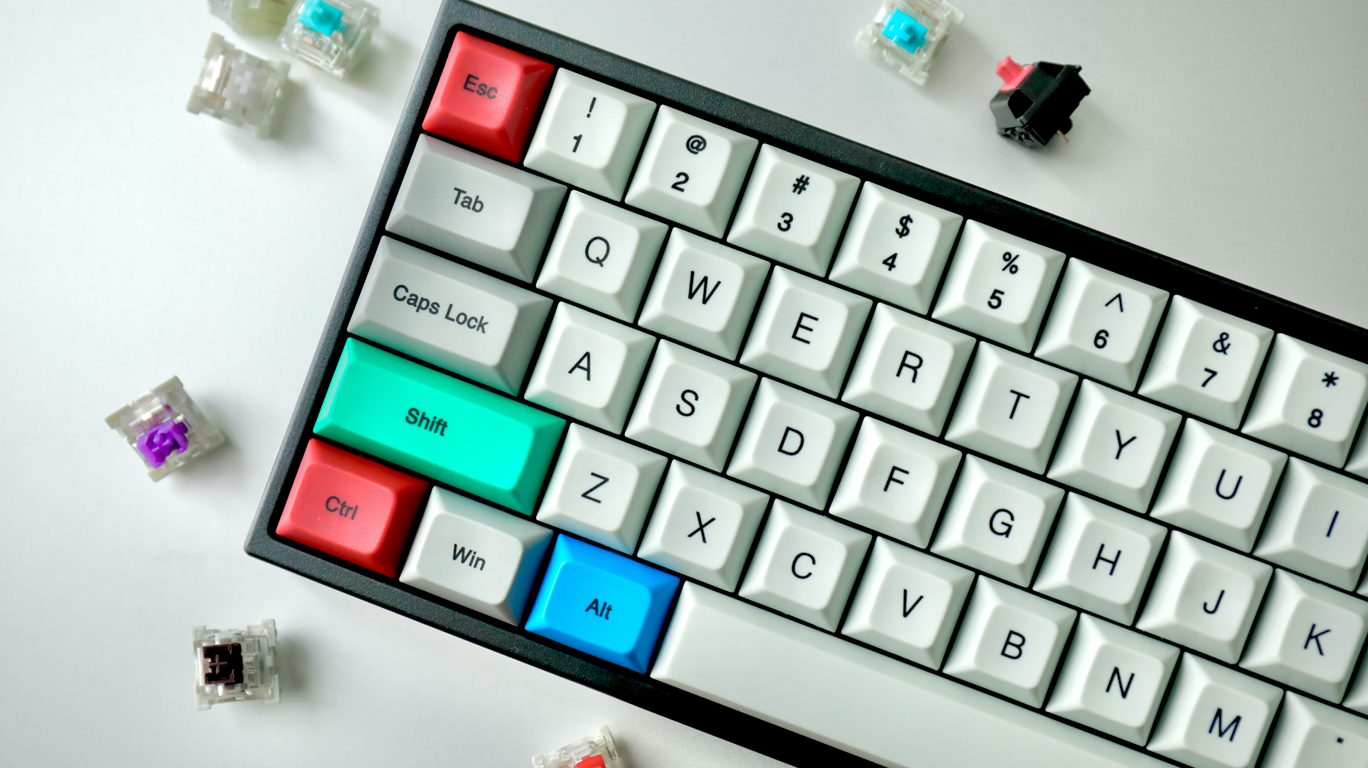
Monitors matter more than many realise: larger, higher‑resolution screens reduce context switching and eye strain, while better ergonomics protect your posture. Peripherals—keyboards that suit your typing style, responsive mice, and webcams with good microphones—elevate professionalism in every call and reduce fatigue over time.
Sustainability should also be part of your refresh plan: recycle old kit responsibly, and use trade-in programmes to lower the overall cost of upgrading. When retiring hardware, use certified data-wiping tools and recycle it through accredited e-waste providers to reduce environmental impact.
Software and security
Hardware is only as strong as the software running on it. Start the year by updating operating systems and critical applications to unlock performance improvements.
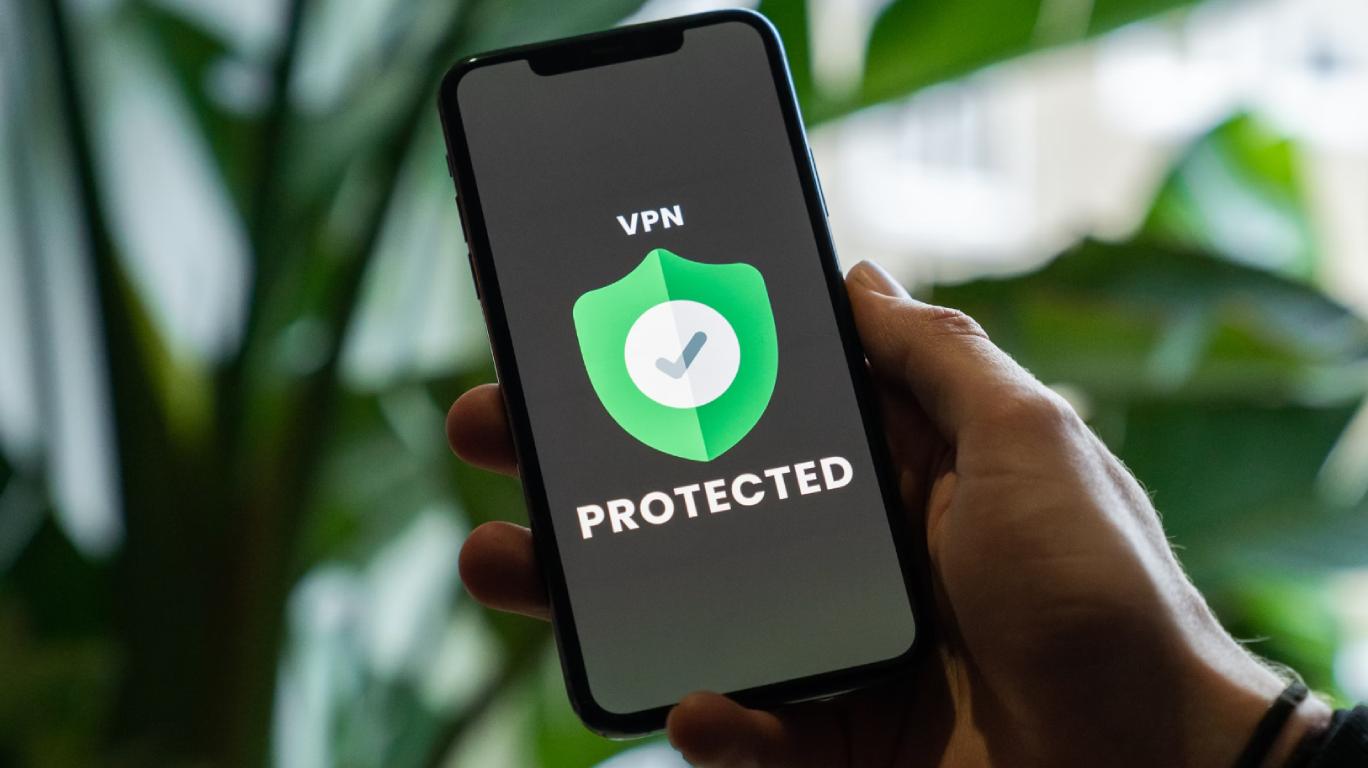
Then strengthen your security posture: password managers remove the temptation to reuse credentials, multi-factor authentication stops the vast majority of account takeovers, and reputable antivirus solutions catch threats you don’t see coming. A reliable VPN protects your traffic on the go, while routine backups shield you from accidents and ransomware alike.
Embrace emerging tech
2026 is a breakout year for practical innovation. AI-powered tools can summarise meetings, generate first drafts, automate routine tasks, and surface insights faster than manual effort.
Cloud tools keep your digital life organised and accessible across devices, reducing the frustration of lost files or outdated versions. At home, smart integrations—like voice-controlled lighting, energy-efficient thermostats, and connected appliances—create a space that’s comfortable, secure, and tailored to your lifestyle. These upgrades aren’t just about novelty; they simplify everyday routines, save time, and help you focus on what matters most.
Budgeting and planning for upgrades
A smart refresh doesn’t have to be expensive if it is intentional. Define what you want to improve (speed, stability, security, collaboration) and rank upgrades by impact. Then, focus on the most impactful upgrade you can make to your tech setup.
More importantly, choose only one upgrade at a time. January often brings strong pricing and trade‑in options, but avoid multiple purchases all at once. While the January deals can seem significant, stacking too many on top of each other can end up costing you more in the short term. By focusing on one at a time, not only will this save you money, but also time; setting up a new device takes time and effort, whether going to a store or doing it at home. Ensure you are happy that a new purchase is fully set up before moving on to the next.


Why it matters
Every minute lost to a slow boot, a frozen video stream, or an avoidable security breach is time you could spend relaxing, connecting with loved ones, or pursuing hobbies.
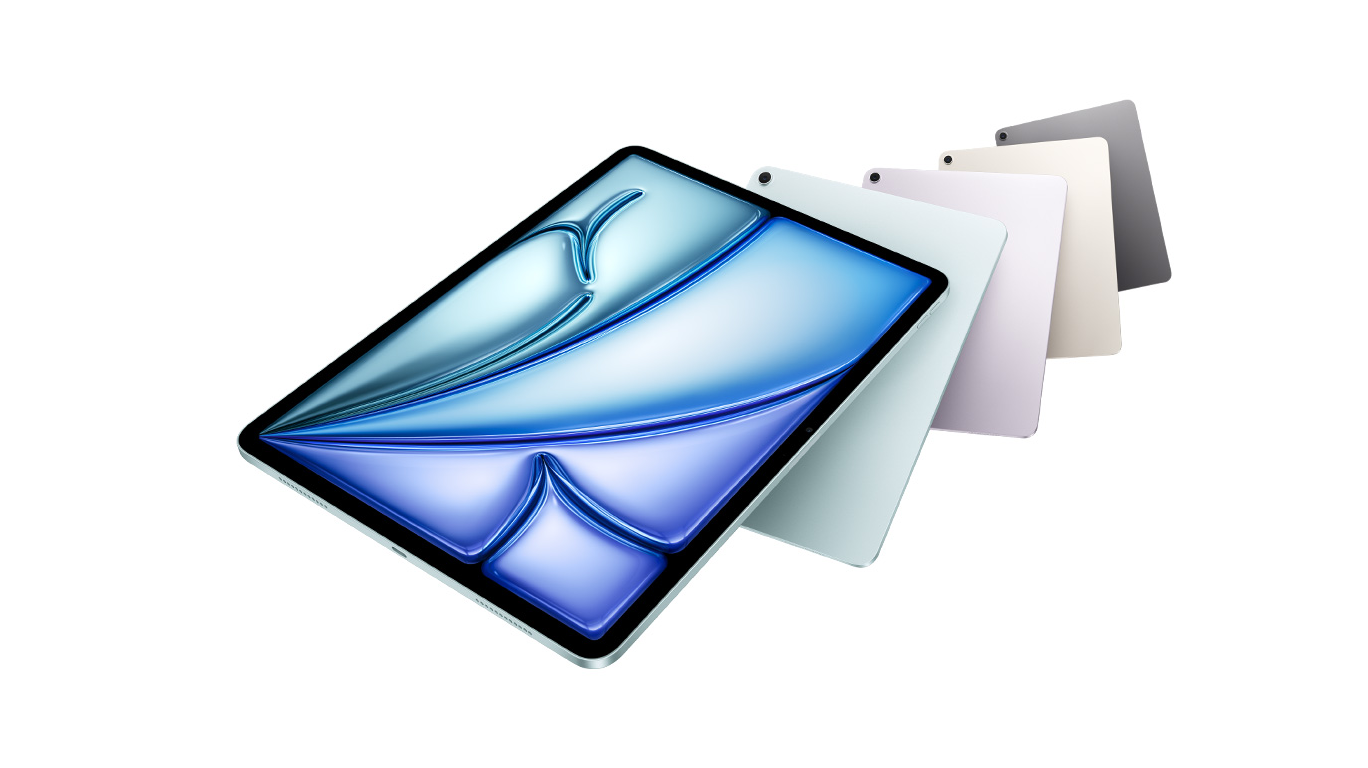
Upgrades aren’t about vanity—they’re about making life smoother. Faster devices mean less waiting and more enjoyment, whether you’re streaming, gaming, or managing household tasks. Stronger security protects your personal data, photos, and finances from online threats. And when your setup supports comfort—like a crisp display for binge-watching, a responsive tablet for reading, or smart home tech that saves energy—you end the day with more time and peace of mind.
Tie upgrades to what matters most to you: uninterrupted entertainment, secure online shopping, or a clutter-free digital life. Even minor improvements add up—saving just ten minutes a day on slow tech equals over sixty hours a year.
Make tech part of your resolutions
A new year is a promise—to work smarter, stay secure, and embrace the tools that help you do your best work. Refreshing devices, updating software, and adopting new tech are not one-off tasks; they’re habits that compound. When your tech gets out of your way, you can focus on the work that matters to you.