Staying Safe Online: How to Protect Yourself from Modern Fraud
Fraud has always been a threat, but as the use of technology in our lives grows, it’s even more important to protect ourselves against online crime. With the rise of artificial intelligence (AI), online fraud has grown even more convincing.
How to protect yourself online
The best way to reduce the risk of falling victim to online fraud is by taking the necessary steps to protect yourself and your accounts.
Secure accounts
To stay safe online, it’s crucial to keep your accounts secure, especially those that have your personal or financial information.
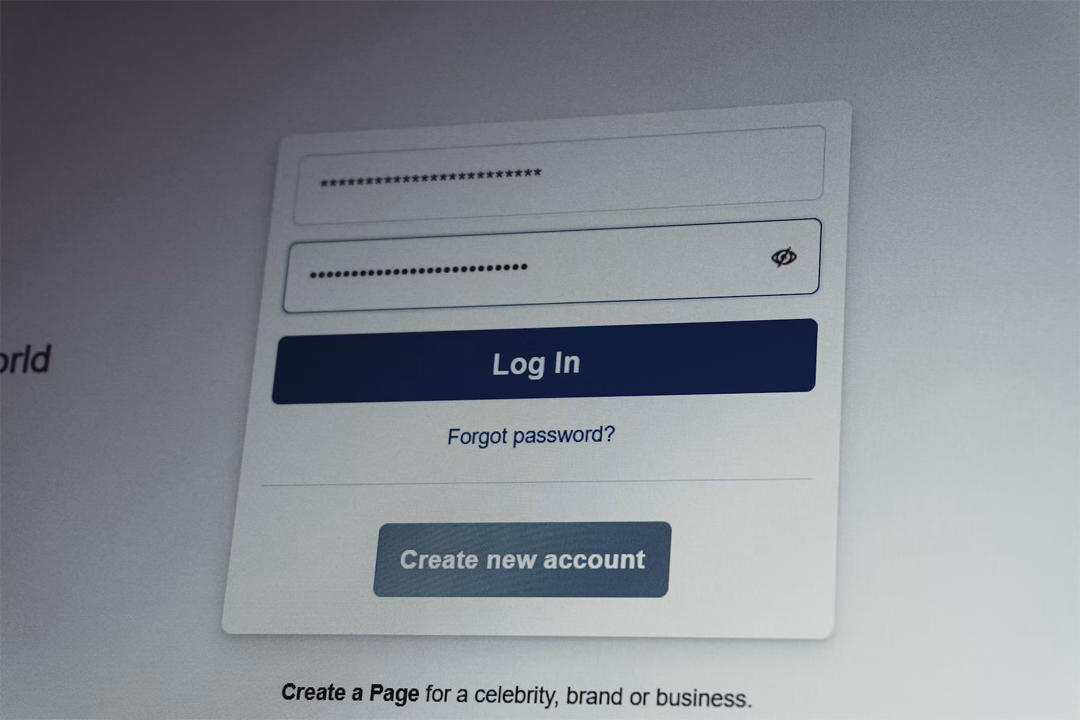
Make sure to use different, strong passwords for all your important accounts. It's worth noting that a solid password isn’t enough on its own. You should also turn on two-step verification to add an extra layer of protection.
Secure software
To protect yourself from fraud, you’ll also want to ensure that the software you’re using is secure. This is easy to maintain: you’ll just need to use a reliable antivirus program and keep important programs and apps up to date.
Consider what you share online
Even if your social media account logins are securely protected, you still need to be mindful of what you share. Criminals frequently collect personal details found on social media to tailor messages and build credibility with your real-life details when they try to scam you.
A quick privacy reset goes a long way: reduce what’s public, limit who can view older posts, and think twice before posting personal details that could be used for account recovery or security questions. Even sharing a recent online purchase could be used to scam you, so be mindful.


Browse with care
There are simple steps you can take to protect yourself while browsing online. If you’re unsure about the validity of a website, check whether there is a closed padlock symbol next to the URL. Within the URL, you can also check for the ‘https’ prefix (the ‘s’ stands for secure). Whilst these indicators can’t guarantee that the website is legitimate, they do indicate that your connection is secure and that your information will be encrypted. If you’re about to enter your information into a new site, run the URL through a reputable checker or research the website's legitimacy first.
Communicate with loved ones
It’s worth collaborating with your close friends and family to protect one another from online fraud in advance. Together, you can decide on a safe phrase to help you verify if you’re really speaking to one another. If someone calls claiming to be a family member or friend—and even sounds like them due to audio deepfake technology—yet can’t provide the safe phrase, you’ll know to cease contact immediately.

How to spot fraud
No two scams look the same, and criminals are constantly adapting their attempts, but it’s still possible to spot fraud online. Most scams rely on familiar psychological tactics like urgency, authority, and emotion. Ultimately, online fraud attempts aim to pressure you into acting without thinking.
Emails
Emails that appear to be from a legitimate source may be fraudulent. It’s important to thoroughly check details, including the exact email address, any spelling or grammar mistakes, and unfamiliar branding. You should be wary of any pressure to act quickly, to use links, or to enter personal or financial details.
Even if everything looks right, it’s safest to navigate directly through an organisation’s official websites rather than clicking email links.
Texts
Concerningly, scam texts can be very convincing: they’re often short and simple, and criminals can even spoof real mobile numbers to make the sender appear legitimate. However, there are still numerous warning signs to be cautious of to protect yourself against scam texts.
As always, you should be wary of any forced sense of urgency, hyperlinks, and unexpected costs. Some common examples of text fraud include ‘delivery companies’ sending a link for you to pay unexpected delivery fees, or an ‘urgent security alert’ followed by a link to change your account details.
Calls
Call scams are arguably the most persuasive because they’re interactive; criminals may pose as someone you know or as an organisation you trust—like your bank or the police. In these calls, criminals will try to access your personal details or convince you to make a payment.
You should treat it as a major red flag if a caller asks you to transfer money, share PINs or passcodes, or hand over remote access to your device. If a phone call doesn’t feel right, chances are it isn’t.
What to do if you suspect a scam
In scenarios where you suspect online fraud, it’s important that you act immediately. Once safe, you should report the incident to help prevent it from happening again.
Immediate actions
If you’re in a situation that feels suspicious in any way, or you feel pressured to do anything, immediately hang up or end the interaction.
Even if money hasn’t left your account, if you’re at all concerned that someone may have your account details, immediately contact your bank using a trusted route (like the mobile number on your bankcard).
After addressing any immediate threats, it’s also important to update your password and account details that may have been exposed to protect your privacy and reduce the risk of future attacks.
Reporting fraud
Report the incident to your national cybercrime or fraud reporting service. If the scam occurred online or on a social media platform, it’s important to report it through the relevant channels of those sites.

Final thoughts
Online fraud is evolving rapidly—and with AI making scams more convincing than ever, it’s important to develop strong digital security habits. While the rise of online fraud is understandably unsettling, it’s also worth focusing on the positives: security technology is advancing, and there are many ways you can enjoy the internet safely while remaining protected.