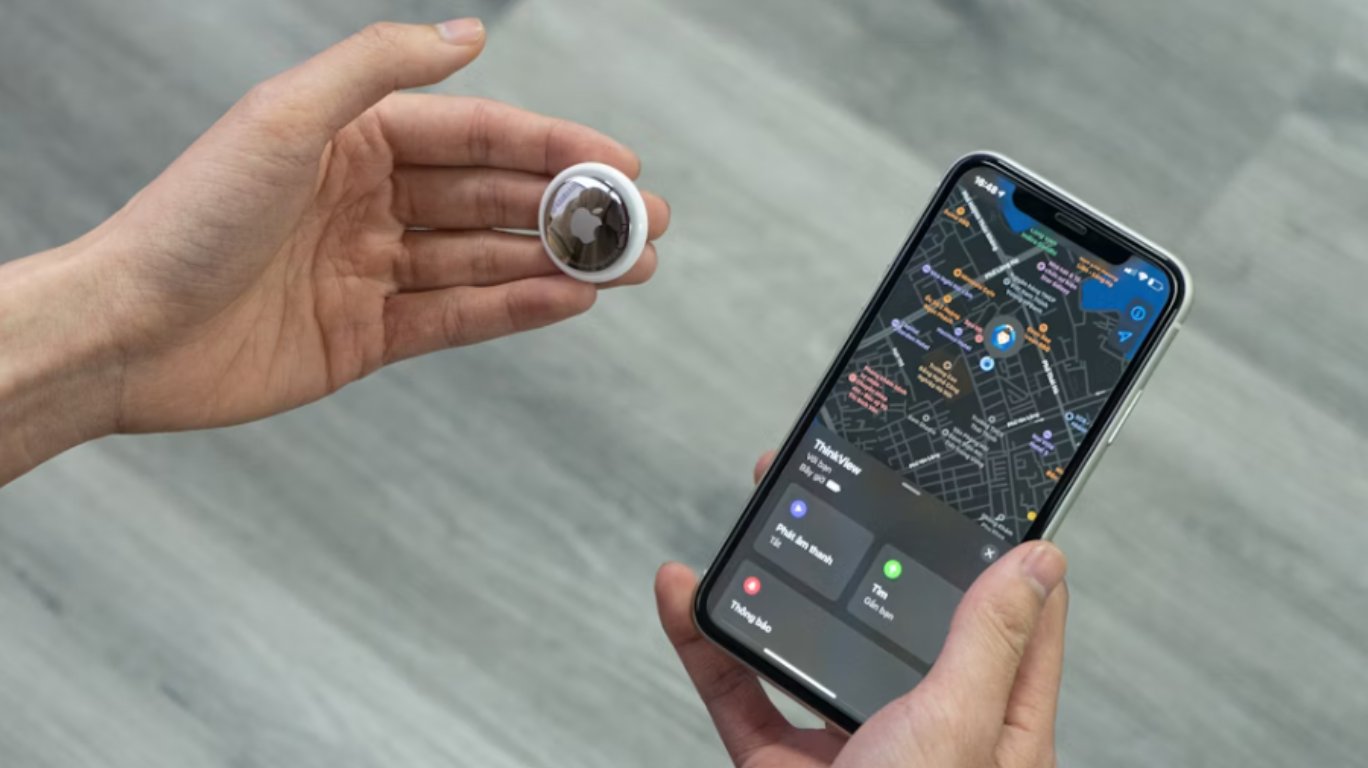
How AirTags Are Changing the Way We Protect Tech
We rely on our tech more than ever, so it’s no surprise that we’re also looking for smarter ways to keep our valuables safe. One category of gadget that's quietly transformed the way we track and protect personal belongings is Bluetooth tracking devices, such as the Apple AirTag.
Small, round, and connected to the same Find My network used to locate lost Apple devices, the AirTag has gone from a niche accessory to a mainstream must-have. But beyond the hype, how are people really using AirTags — and what does it mean for how we protect our belongings?
Here’s a breakdown of where AirTags are making a difference and what you should know if you’re thinking about using them.
What is an AirTag?
An AirTag is a small tracking device made by Apple that connects via Bluetooth and works with the Find My network. This is the same tool used to locate lost iPhones, iPads and AirPods. Unlike GPS trackers, AirTags don’t use satellites, but instead rely on the millions of Apple devices around the world to relay their location.
That means they’re particularly useful in crowded or built-up areas, where the chances of another iPhone passing by are much higher than in a remote location.
Alternatives to AirTags
While Apple’s AirTags are popular, they’re not the only option. Other Bluetooth trackers include:
- Tile (compatible with both iOS and Android)
- Chipolo
- Samsung SmartTag
Each type of tracker comes with its own pros and cons, and the right choice will depend on your device ecosystem, priorities, and personal preferences.
Everyday essentials
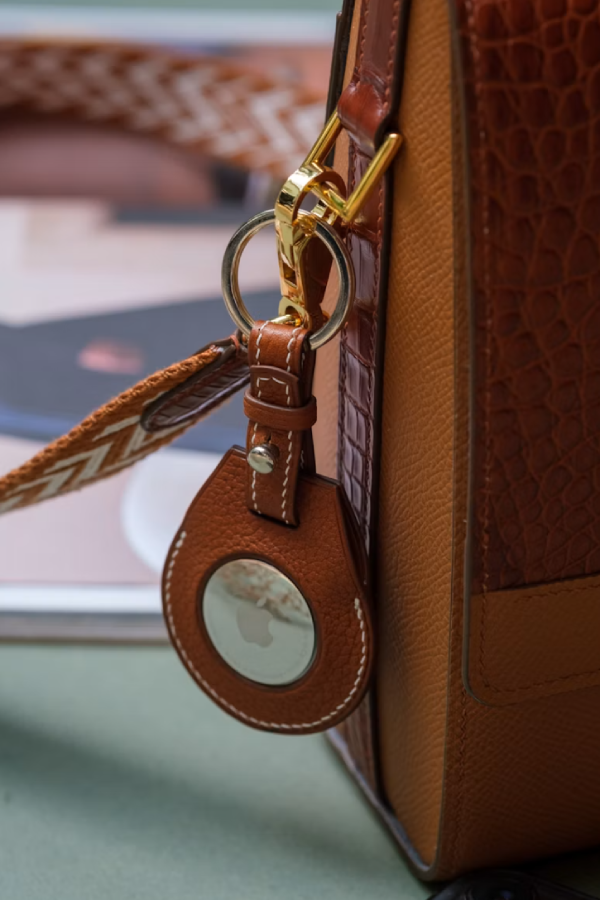
For many, AirTags have become a daily staple, offering peace of mind for items we carry everywhere and can’t afford to lose, such as keys, wallets, or handbags.In particular, people are placing them in:
- Designer handbags and backpacks
- Laptop bags and tech cases
- Camera equipment cases
These items often hold significant financial or sentimental value and may also be covered by insurance. AirTags add an extra layer of security and reduce the likelihood of loss in the first place.
Travel and luggage
Perhaps the most well-known use for AirTags today is tracking luggage. With high volumes of travel, lost suitcases are a regular frustration. AirTags tucked into luggage can help people locate their bags even when airlines can’t.From a tech protection point of view, they’re incredibly valuable. If your suitcase contains expensive gear or insured electronics, an AirTag can provide evidence of an item's last known location. This information can support insurance claims or help recover the belongings, potentially avoiding the need to make a claim.
Top tip: place the AirTag inside your bag, not on the outside, to avoid it being removed.
Cars, bikes and e-scooters
AirTags are also being used in increasingly creative ways — especially by cyclists and e-scooter owners. Discreetly hiding an AirTag under a seat, in a frame bottle cage, or in a hard-to-access spot can act as a helpful backup if your bike, e-scooter, or vehicle gets stolen.
While not as powerful as GPS trackers, AirTags have helped owners recover stolen bikes and cars by identifying or narrowing down their last known location and working with local authorities. They’re especially effective in areas with a high density of Apple devices.
Business and equipment protection
Freelancers, tradespeople, and creatives often carry expensive equipment, such as power tools or photography gear. Many are now using AirTags to discreetly track these items, especially when moving between jobs, transport hubs or hotels.

How AirTags connect to insurance
AirTags don’t just help us find lost things. They’re part of a broader shift towards proactive personal protection, much like home alarm systems or mobile security apps.
Here’s how they’re starting to interact with the world of protection:
- Prevention: reducing the risk of loss means fewer claims
- Proof: a device’s last known location can help support claims
- Recovery: if an item is found, you may avoid needing to claim altogether
Privacy, safety and responsible use
Not everything about AirTags is perfect. Concerns around unauthorised tracking and stalking have emerged, with individuals using the devices to follow people without consent. Apple has responded by rolling out anti-stalking features, such as alerts for unknown AirTags nearby.
As with any tech, responsible use is essential. They should never be used to monitor people or invade privacy. Instead, focus on the original intention: keeping tabs on your own property.
Additionally, they are not to be used as an alternative form of safety monitoring. Some people have reported using AirTags for pets and children, such as attaching the device to a pet collar or placing it in a lunch box for low-stakes monitoring. AirTags shouldn’t be viewed as a replacement for critical safety scenarios, and always keep in mind the limits of technology and trackers when using them as a lightweight precaution.
AirTags are changing the way we think about protecting our tech. They don’t replace insurance, but they may help reduce the likelihood of loss or improve the chances of recovering an item. From recovering lost bags to tracking bikes or gear, these small devices offer everyday value and a glimpse at a future where keeping tabs on our belongings is as simple as opening an app.