Smartwatch Buying Guide: LTE vs. Non-LTE for Every Lifestyle
Smartwatches today: More than just an extension of your phone
Smartwatches have evolved far beyond being mere gadgets for tech enthusiasts and fitness junkies. Today, they serve as powerful extensions of our smartphones, offering convenience, safety, and a wide range of features that make everyday tasks easier.
However, one decision often stands out as the most important: whether to choose an LTE smartwatch or a non-LTE model.
This choice can significantly impact your experience, so understanding the differences is key. In this guide, we’ll explore what sets these two options apart and help you make an informed decision based on your lifestyle, budget, and tech preferences.
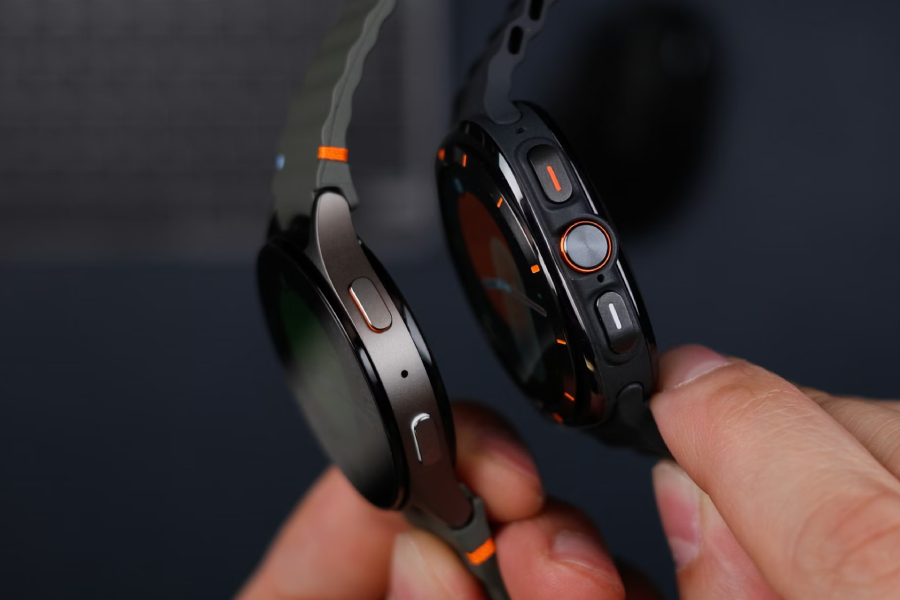
What’s the difference between LTE and non-LTE smartwatches?
Before diving into the details, let’s clarify what LTE and non-LTE mean in the smartwatch world:
LTE
These devices have built-in cellular connectivity, allowing them to connect directly to mobile networks. With LTE, you can make calls, send messages, stream music, and access the internet without your smartphone nearby. It’s like having a mini phone on your wrist.
Non-LTE
These models rely on Bluetooth to connect to your smartphone. While they offer many of the same features as LTE smartwatches—such as notifications, fitness tracking, and app access—they require your phone to be within range for calls, messages, and certain apps.
Both types typically include robust health and fitness tracking, app notifications, and essential smartwatch features. The difference lies in how independent you want your smartwatch to be.
Key factors to consider when choosing your smartwatch
Connectivity and independence
LTE
These shine when it comes to staying connected without your phone. Perfect for workouts, hikes, or quick errands where carrying a phone is inconvenient. You can enjoy untethered freedom while still being reachable and having access to essential apps.
If you often forget your phone at home or prefer a phone-free experience during exercise, an LTE watch is likely the better fit.
Non-LTE
If you usually keep your phone close, a non-LTE model offers a simpler and often more cost-effective solution. These watches excel at delivering notifications, fitness tracking, and media control when your phone is within Bluetooth range.
Features and functionality
LTE
With LTE, you can make and receive calls, respond to messages using voice dictation, stream music, and even use internet-based apps without your smartphone. This independence is particularly useful if you need quick access to information or communication when your phone isn’t at hand.
Non-LTE
These offer similar functionalities but only when paired with a smartphone. While you can still enjoy notifications, fitness tracking, and most apps, features like calling and messaging require your phone to be nearby.
Battery life
LTE
One downside of always-on cellular connectivity is that it can drain the battery more quickly. If you use LTE features heavily, you may find yourself needing to charge your watch daily.
Tip: Many smartwatches include battery-saving modes. For LTE models, disabling cellular features when not needed can help extend battery life.
Non-LTE
These typically offer longer battery life thanks to their more energy-efficient Bluetooth connection. If battery longevity is a priority, non-LTE models are a solid choice.
Cost considerations
LTE
Expect to pay a premium not only for the device itself (which comes at a higher price point than its non-LTE equivalent) but also for an additional data plan with your mobile carrier. When you get an LTE smartwatch, you may need to upgrade your data plan to enable calls and text messages to come through on your watch.
While the monthly price point of a smartphone data plan appears at a fraction of the cost compared to your base mobile plan, this ongoing cost can add up, so it’s worth considering whether the convenience of standalone connectivity justifies the expense.
Non-LTE
These are generally more affordable both upfront and over time, as they don’t require a separate data plan. They provide great value for those who don’t need phone-free connectivity.
If you’re on a tight budget or simply prefer not to add another monthly expense, a non-LTE watch is a practical choice.
How to choose the right smartwatch for your needs
When deciding between an LTE and a non-LTE smartwatch, consider the following questions:
- Do you frequently leave your phone behind?
If yes, LTE could be the way to go - Are you budget-conscious?
The non-LTE option offers savings both in purchase price and running costs - What features are most important to you?
If you value seamless connectivity and independence, LTE might be worth the investment - How important is battery life to you?
Non-LTE watches generally last longer on a single charge
Final thoughts
By assessing your lifestyle and weighing the pros and cons, you can make a confident decision and find the perfect smartwatch to enhance your everyday life. Whether you choose LTE or non-LTE, you’re investing in a device that brings convenience, functionality, and a bit of tech magic to your wrist.