Introducing Smart Glasses and Headsets: A New Era of Wearable Technology
Smart glasses and headsets offer unique ways to work, consume media, and stay connected, bringing experiences that once seemed futuristic into everyday life.
Smart glasses combine style with intuitive functionality, while headsets enable users to enter immersive virtual reality (VR) worlds or enhance their real surroundings through augmented reality (AR).
We’ll take a closer look at the most exciting devices on the market, each offering a valuable glimpse into how technology might shape our everyday lives.
Glasses
Meta Smart Glasses
For sharing
Meta’s collaboration with Ray-Ban and Oakley focuses on blending fashionable eyewear with clever functionality. At first glance, they look like an ordinary pair of glasses or sunglasses, but they have a tiny camera and multiple microphones. This means you can capture photos or record short videos without pulling out your phone, making it much easier to document memories while staying in the moment.
These glasses are particularly appealing for people who enjoy documenting their lives online. Through their integration with Meta’s services, including Instagram and Facebook, content can be captured and shared hands-free.
Meta also makes it easy to contact loved ones. With voice controls, you can send texts and make hans-free calls without using your phone.
Ultimately, these glasses help you stay connected while providing a convenient way to document memories and share everyday moments.
Image courtesy of meta.com

Amazon Echo Frames
For everyday assistance
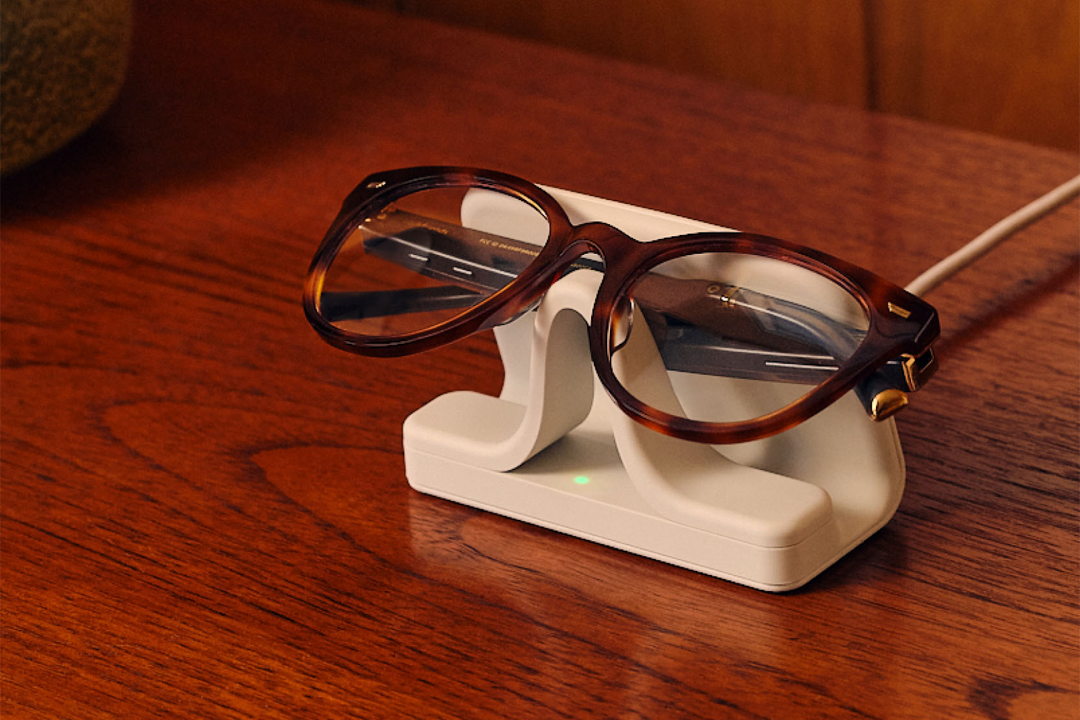
Amazon Echo Frames place Alexa inside a pair of everyday glasses. Their open-ear audio lets you listen to music, podcasts, and other content while remaining aware of what is happening around you. Because the speakers direct sound towards your ears, you can hear audio without wearing headphones.
Built-in Alexa support also makes it easy to manage everyday tasks using your voice. You can make calls, receive notifications, add items to a shopping list and control compatible smart-home devices without reaching for your phone. The glasses include microphones designed to pick up commands while reducing surrounding noise, helping Alexa hear you in busy environments.
The Echo Frames are a practical choice for anyone who wants convenient access to audio and Alexa throughout the day, all within a pair of glasses that feel suitable for everyday wear.
Image courtesy of amazon.com
RayNeo Air 4 Pro
For entertainment
RayNeo Air 4 Pro AR glasses turn compatible phones, laptops, and consoles into a personal cinema right in front of your eyes. They connect to compatible devices through USB-C, making it simple to enjoy big-screen entertainment without a complicated setup. The 201-inch virtual Micro-OLED display combines HDR10 support with real-time image processing, helping films, games and other content appear richer and smoother. It can also convert standard 2D content into 3D, adding greater depth to the viewing experience.
For those who travel often, these glasses offer a practical way to enjoy entertainment on the go, especially with the private listening mode, which helps reduce sound leakage and minimise disruption to people nearby.
These glasses are well-suited to anyone who wants a portable way to watch films, shows or other content.
Image courtesy of uk.rayneo.com
XREAL One Pro
For innovation
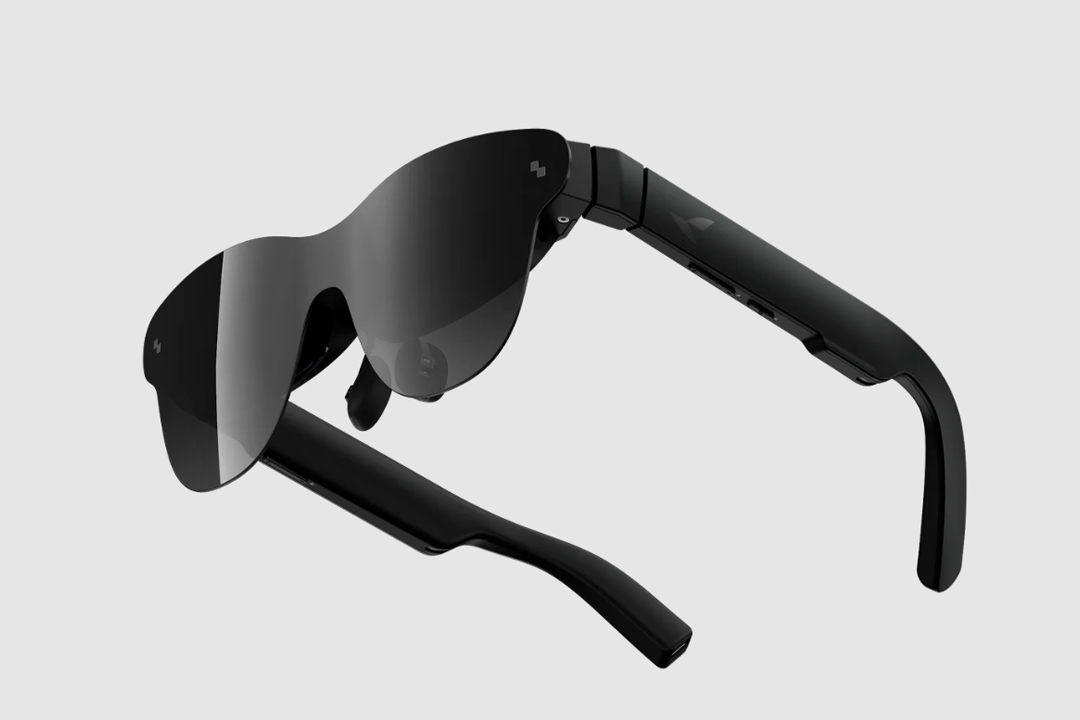
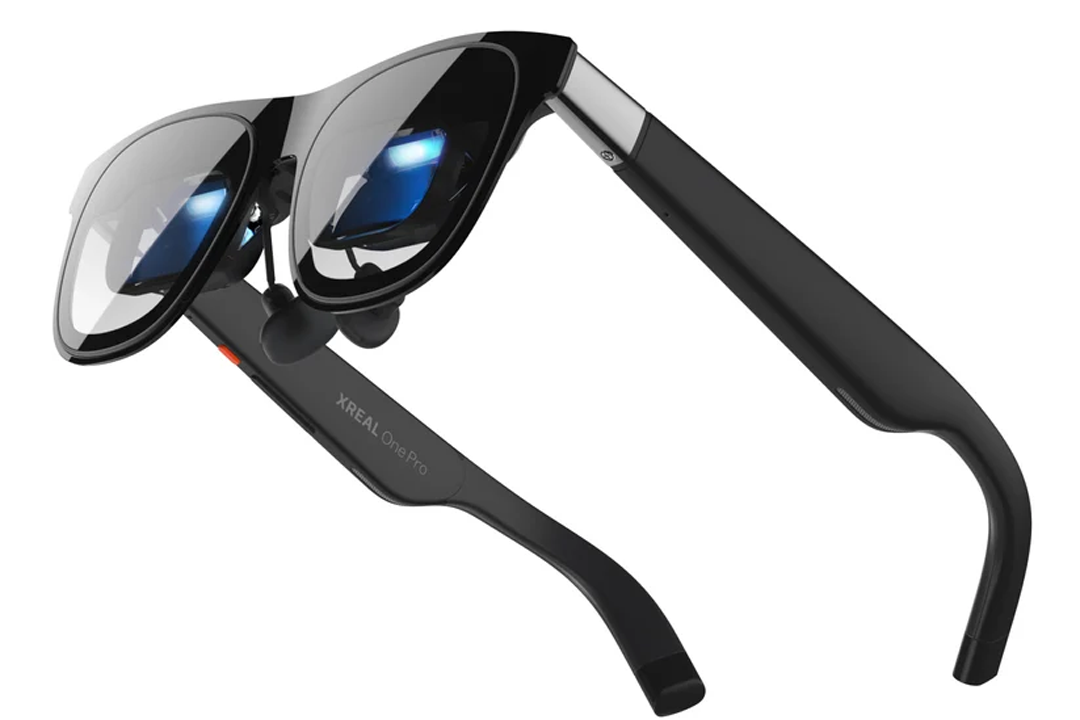
XREAL One Pro glasses reimagine traditional physical screens without the bulk or clutter of multiple devices or monitors. You can position the virtual display in front of you, so it remains steady as you move your head, or activate Follow Mode to keep it comfortably in sight while on the go. This is particularly useful for people who work remotely or frequently move between locations. Instead of being tied to a single desk setup, you can create your digital workspace wherever you are.
The display can also be adapted for entertainment and gaming. You can create a large view for films, expand into a curved ultra-wide screen or pin a smaller display to one side while remaining aware of your surroundings. Controls on the glasses make it easy to adjust the screen’s size, distance, and colour temperature, while adjustable lens dimming lets you control how much of your surroundings remain visible. The emphasis on practicality makes the XREAL One Pro a highly versatile choice.
Image courtesy of uk.shop.xreal.com
Rog XREAL R1
For gaming
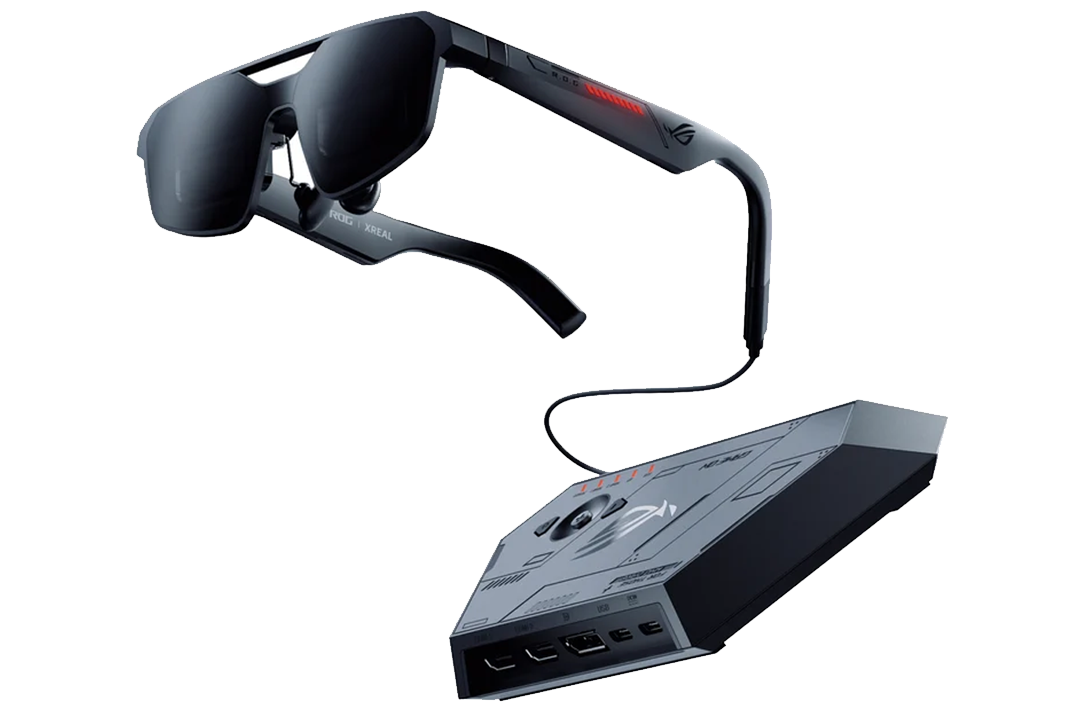
ROG XREAL R1 glasses let you experience games on a much larger screen without requiring a conventional monitor. They project a 171-inch virtual Micro-OLED display and offer a refresh rate of up to 240Hz, helping fast-paced games look smooth and responsive.
The glasses connect directly to a ROG Ally via USB-C and can also connect to compatible PCs and consoles via the ROG Control Dock. Anchor Mode lets you fix the screen in position, while Follow Mode keeps it visible as your head moves. Three tint settings help maintain a clear view in different lighting conditions.
For gamers who want an immersive display they can take anywhere, the ROG XREAL R1 offers a flexible alternative to a large gaming monitor.
Image courtesy of uk.shop.xreal.com
Headsets
Apple Vision Pro
For mixed reality
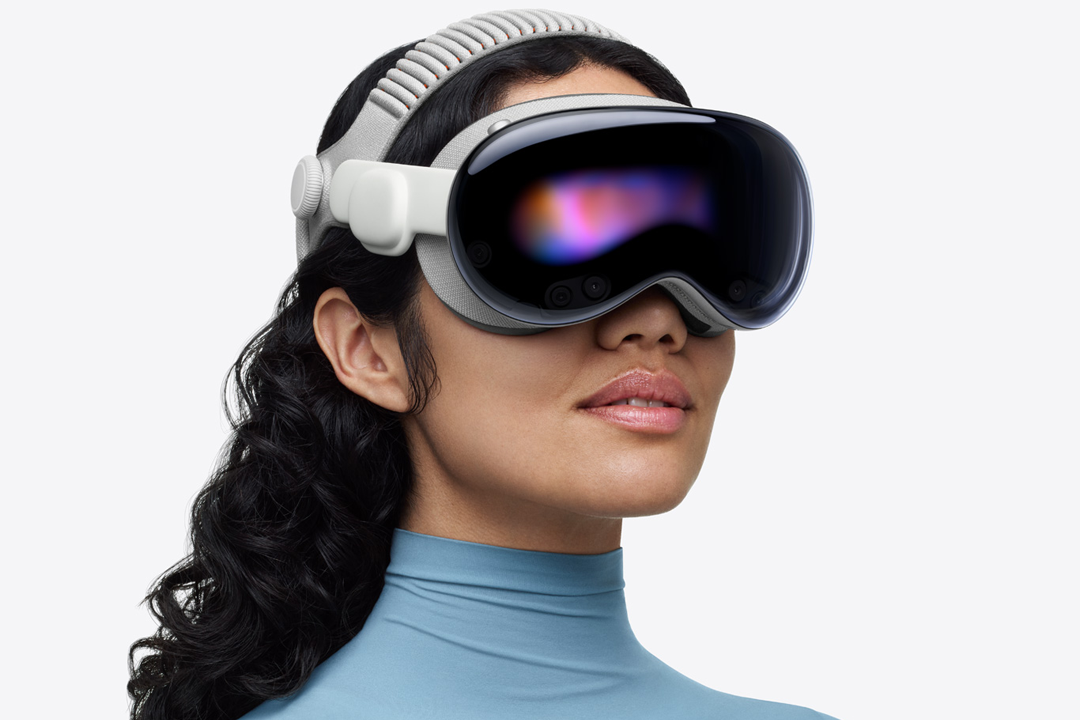
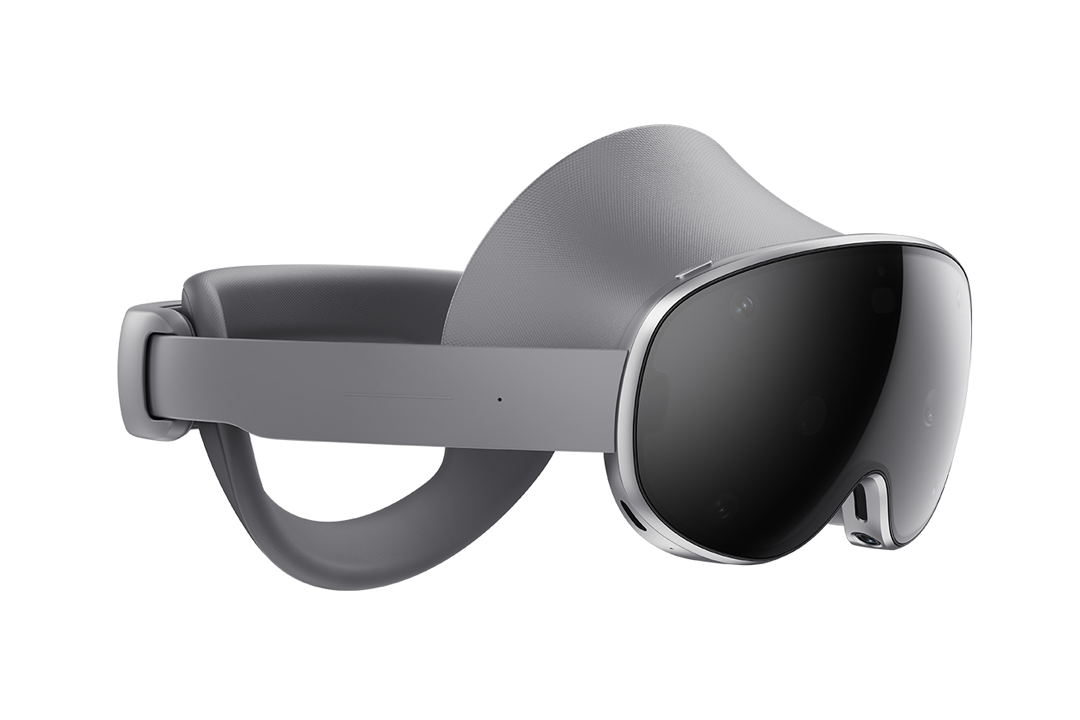
Apple Vision Pro is a headset that blends the real and digital worlds. Unlike simpler smart glasses, it combines augmented reality, which adds digital elements to your surroundings, with virtual reality, which creates a separate digital environment.
What makes the Vision Pro stand out is how natural the interaction feels. Instead of relying on handheld controllers, it uses your eyes, hands, and even your voice to navigate. For example, you can look at an app and tap your fingers together to select it. The Vision Pro is also deeply integrated with the Apple ecosystem, so it can link seamlessly with other Apple devices you already use.
This headset isn’t just for watching films or browsing the web—it’s pitched as a new kind of workspace, entertainment hub, and communication tool all in one. The experience is designed to be so immersive that you feel as if you’re stepping into a new reality, whether for work, creativity, or leisure.
Image courtesy of apple.com
Samsung Galaxy XR
For discovery
Samsung Galaxy XR brings Google Gemini into an immersive headset, providing an assistant that can see, hear and communicate with you. This makes it possible to ask questions about what you are viewing and receive answers without leaving the experience.
Powered by Android XR, the headset provides access to familiar Android apps as well as experiences created specifically for extended reality. You can virtually explore destinations in Google Maps, watch immersive 180-degree and 360-degree videos on YouTube or turn existing photos and videos into 3D media through Google Photos.
Ultimately, the Samsung Galaxy XR is a versatile choice for anyone who wants to explore places, content and ideas in a more immersive and interactive way.
Image courtesy of samsung.com
Meta Quest 3
For new worlds
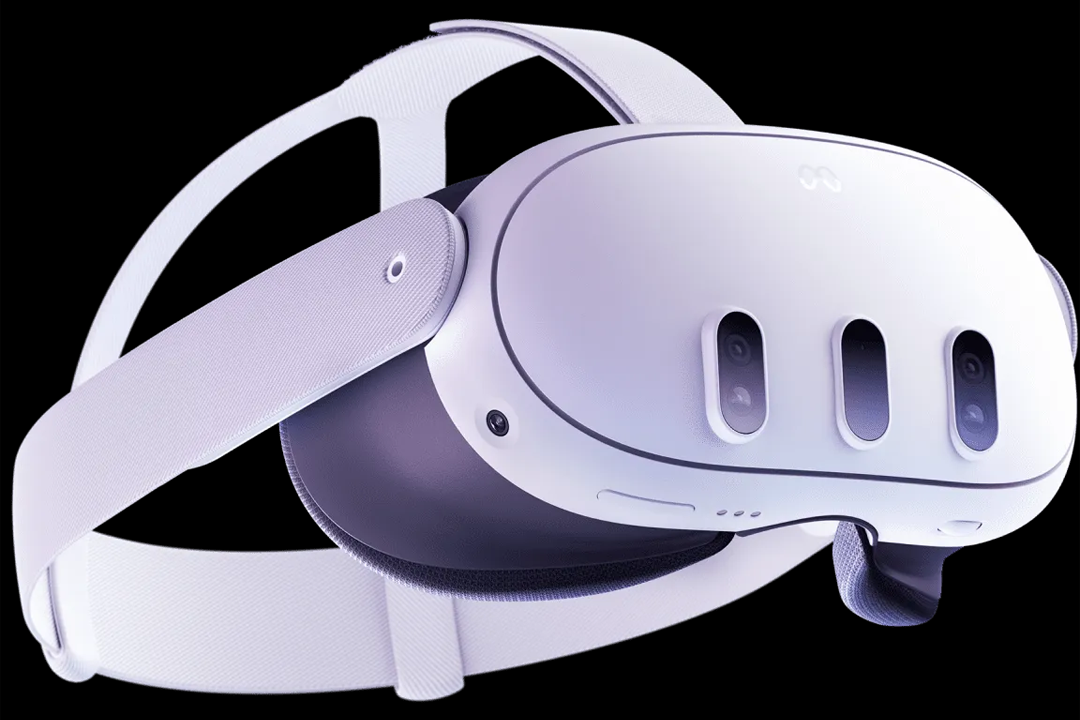
Meta Quest 3 lets you enter virtual worlds or bring digital content into the room around you. Its two colour cameras and depth sensor provide full-colour passthrough, allowing you to see your physical surroundings while interacting with virtual characters and objects.
Its 4K+ Infinite Display produces detailed visuals, while the wider field of view helps virtual environments feel more expansive. The Touch Plus controllers also provide haptic feedback, helping actions such as swinging an object or casting a fishing line feel more convincing.
The headset can be used for much more than gaming. It offers access to thousands of experiences spanning entertainment, fitness, and sports, while apps such as Facebook, Instagram and WhatsApp can also be accessed from within the headset. For entertainment, you can stream films in a virtual home cinema.
Meta Quest 3 for anyone who wants to explore immersive worlds while staying aware of the space around them.
Image courtesy of meta.com
Meta Quest 3S
For affordability
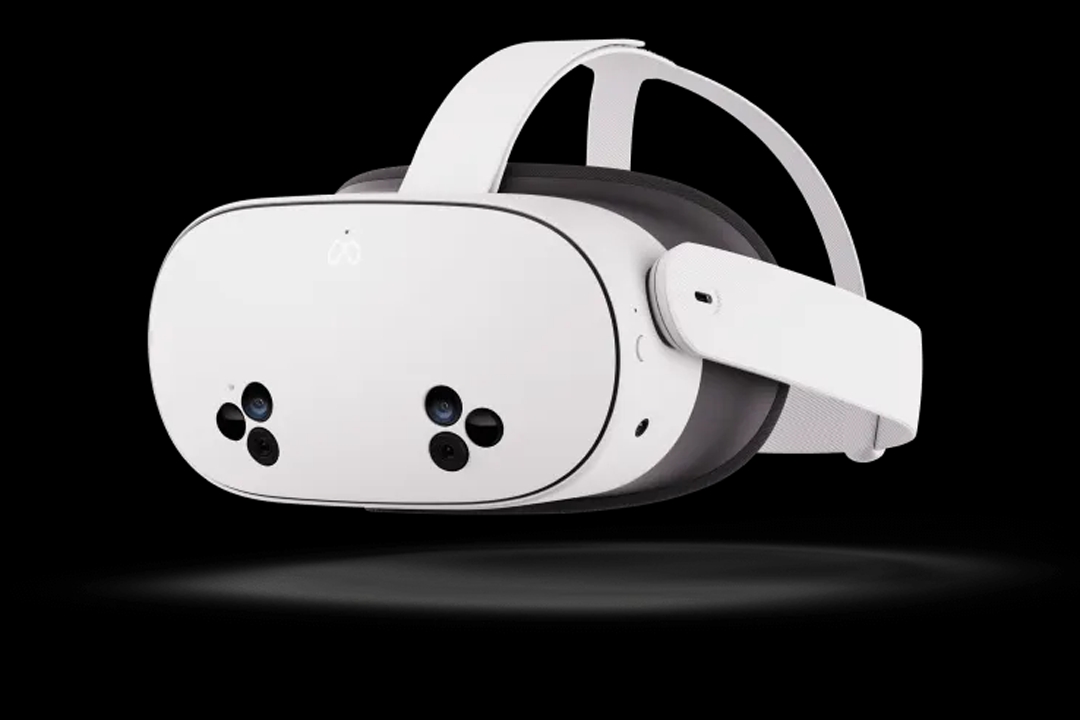
Meta Quest 3S offers many of the same experiences as the Quest 3, but at a more affordable price. Its full-colour passthrough brings virtual objects into your physical surroundings, while a dedicated Action button lets you switch between seeing the room around you and entering a more immersive virtual environment.
It uses the same Snapdragon XR2 Gen 2 chipset as the Quest 3, helping games load quickly and run smoothly. The Quest 3S has a lower-resolution display and narrower field of view than the Quest 3, but it still delivers detailed, colourful visuals across games, films and other experiences.
For anyone taking their first steps into mixed reality, the Quest 3S offers an accessible entry point.
Image courtesy of meta.com
Final thoughts
Smart glasses and headsets are still a relatively new category of technology, and each brand is taking a slightly different direction. Rather than competing for the same purpose, these devices highlight just how varied the world of smart eyewear has become.
Whether you want to share your life more easily, enjoy films on the go, work without being tied to a desk, or step into an entirely new digital environment, there is now a pair of smart glasses or a headset designed for you.