A Guide to Safe and Secure Black Friday Shopping
Black Friday is an exciting time for bargain hunters, with retailers offering incredible deals both online and in-store. However, amid the rush to snag the best discounts, cybercriminals are also gearing up to exploit the increased shopping activity.
To ensure your Black Friday shopping experience stays safe, it’s important to remain vigilant and protect yourself against scams and fraud. Read on to discover how to shop securely this season.
Keep your software updated
Updating your computer, smartphone, and antivirus software is a crucial step in protecting yourself from malware and cyber threats—all year round.
Security updates often include patches for vulnerabilities, so it’s good practice to enable automatic updates on your devices to stay protected without having to remember to update your software manually. Alternatively, setting a calendar reminder to ensure your software is updated before Black Friday can help make your seasonal shopping more secure.


Watch out for phishing emails and fake websites
During Black Friday, your inbox might overflow with promotional emails promising unbeatable deals. Unfortunately, these emails may not all be genuine. Scammers often send phishing emails that mimic well-known brands, urging you to click on links or share personal information. Avoid clicking on suspicious links, as they can allow scammers to access your information or install viruses and malware on your device.
Rather than clicking email links, you can visit the retailer’s official website directly by typing its web address into your browser. If the deal isn't advertised on the brand's official site, the email you received could be a scam.
Shop on secure websites
While Black Friday is a great time to find new deals, it's important not to let the pressure to buy quickly trip you up. Take extra time and care to verify any new websites, or shop only on sites you know and trust from previous purchases. As a best practice, avoid websites with strange domain names, frequent pop-ups, or poor design; these could be signs of a fake or unsecured site.
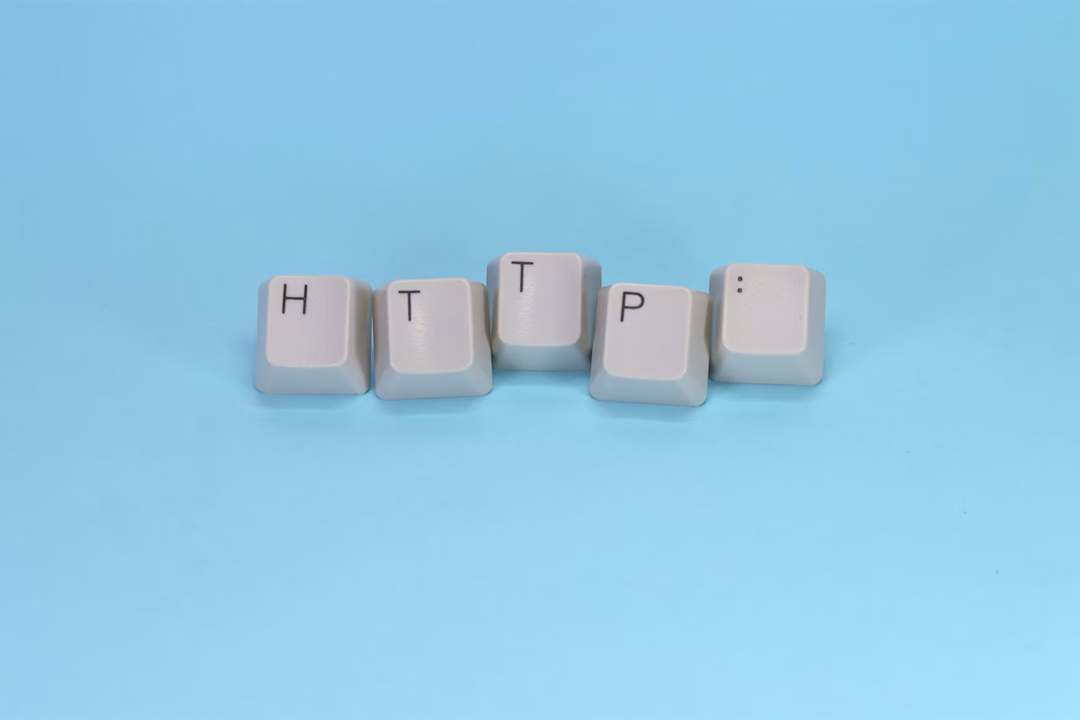
When browsing online, it’s worth checking for a closed padlock symbol near the address bar, or seeing if there’s an ‘https’ prefix at the beginning of the web address—the ‘s’ stands for ‘secure’. This indicates that information sent between your browser and the website is encrypted. However, encryption alone does not guarantee that the website or seller is legitimate, so you should still implement additional security practices.

Verify discounts and promotions
It’s easy to get drawn into flashy advertisements promising massive discounts. Be wary of websites offering products at prices far below market value, especially if they request unconventional payment methods. Before making any purchases, cross-check the deal on the retailer’s official website or through reputable deal comparison sites to avoid fraudulent offers.
Always keep in mind that if a deal seems too good to be true, it probably is.
Use safe payment methods
When it comes to payment, not all methods offer the same level of security. Credit cards and trusted payment services like PayPal often include fraud-prevention features and the ability to dispute charges, if necessary, thereby providing better protection than bank transfers or prepaid cards.
You should also avoid saving your card details on unfamiliar websites. While doing so may save time on future purchases, it could put your payment details at risk. Instead, use a secure payment service or digital wallet where possible.

Monitor your bank statements
By regularly reviewing your bank and credit card statements, you’ll be able to spot and report any suspicious activity to your bank or card provider promptly. Many banking apps also offer instant transaction notifications, so you can act fast if something looks suspicious.
Stay informed about scams
New scams emerge all the time, and staying informed is one of the best defences against them. Follow consumer protection agencies and credible news sources to stay up to date with the latest fraud trends and tactics.
The more you know about common scams, the better equipped you’ll be to avoid them.

Shop smart, stay safe
Black Friday can be a fantastic opportunity to save money, but a bit of caution can go a long way. By following these tips, you can shop with greater confidence while helping to keep your personal and financial information secure. Happy shopping and stay safe!